
Extruded EPS Beads Production Line
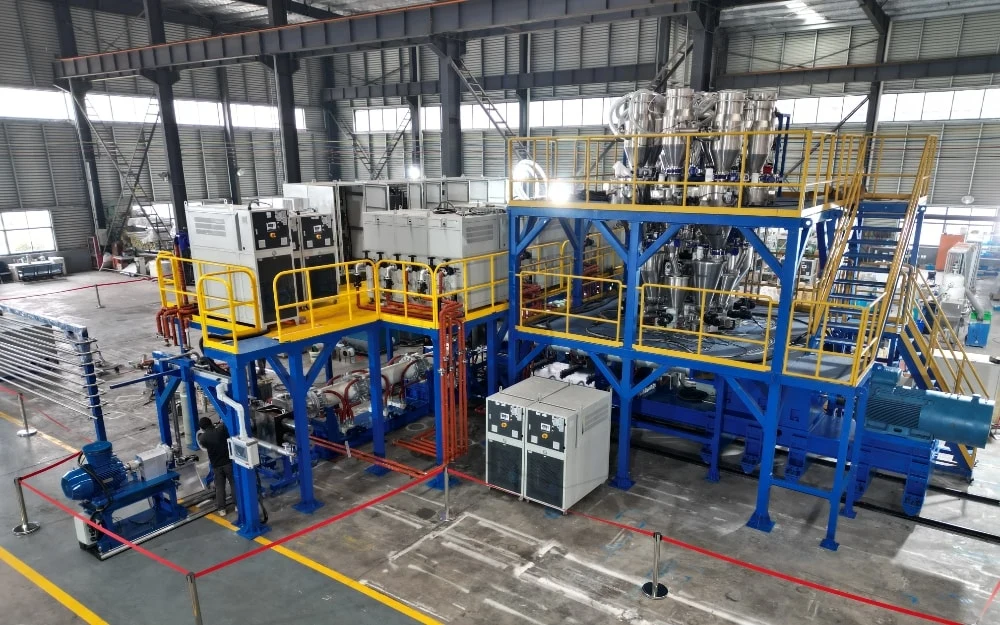
Extruded EPS reduces the thermal conductivity to less than 0.030 W/(m·K). USEON provides turn-key projects for extruded EPS bead manufacturing, on a fully automatic line from lab scale up to 3,000 kg/h.
- Graphite (grey) EPS
- Colour EPS
- Recycled EPS
- Thermal conductivity of extruded graphite EPS
- <0.030W/(m·K)
- Thermal conductivity against traditional white EPS
- −20%
- System capacity
- 200–3,000kg/h
- First three lines delivered, still in production after 10+ years
- 2015
Why extruded EPS
- 01
The standard
Significant rises in international energy-saving standards are driving the development of new innovative solutions, replacing traditional white EPS insulation that is no longer fulfilling the tougher requirements.
- 02
The material
Extruded EPS provides a perfect solution and is gaining significant market share in the global thermal insulation industry as it reduces the thermal conductivity to less than 0.030 W/(m·K). Extruded enriched EPS reduces the thermal conductivity by 20% which brings exceptional cost and environmental benefits.
- 03
The extruded route
The extruded process lowered the bar to enter into EPS beads business. The first graphite EPS line in China started in December 2014, and two more were running by May 2015.
Where graphite EPS sits
- White EPSTraditional insulation
- Graphite EPS<0.030 W/(m·K) · −20% λ
- XPSExtruded board
Graphite EPS fills the gap in thermal conductivity between EPS and XPS. Each has its own merits in different applications, and the two work as a good supplement to each other.
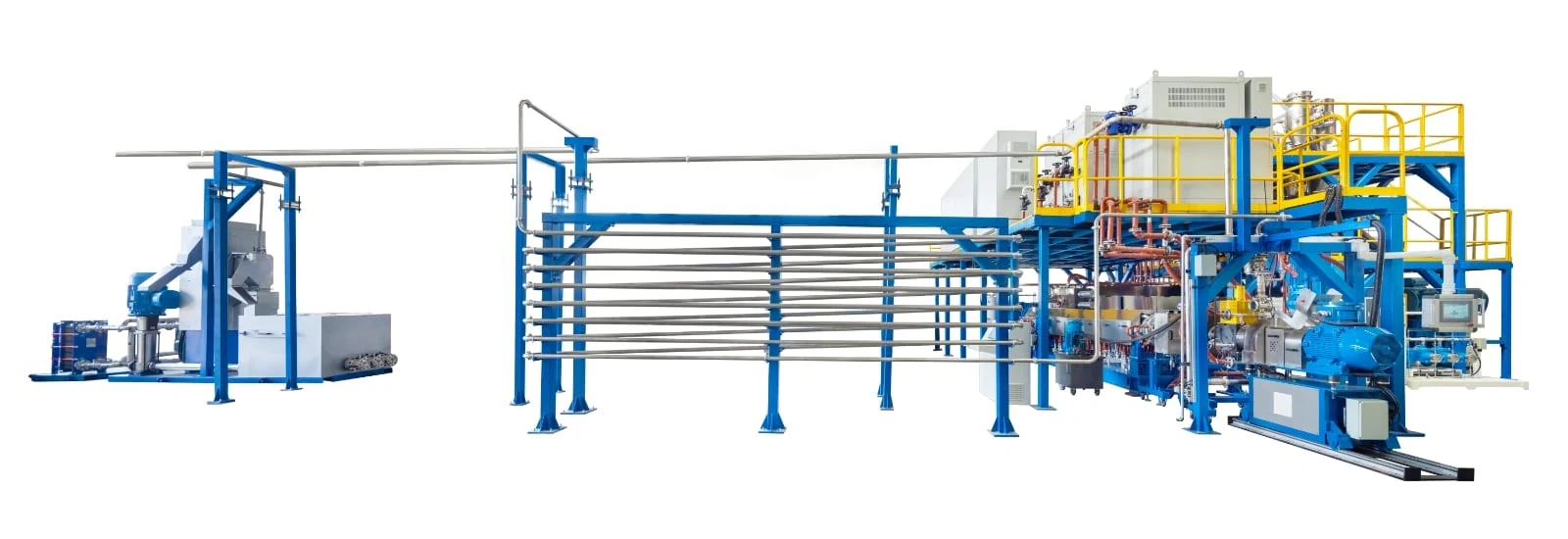
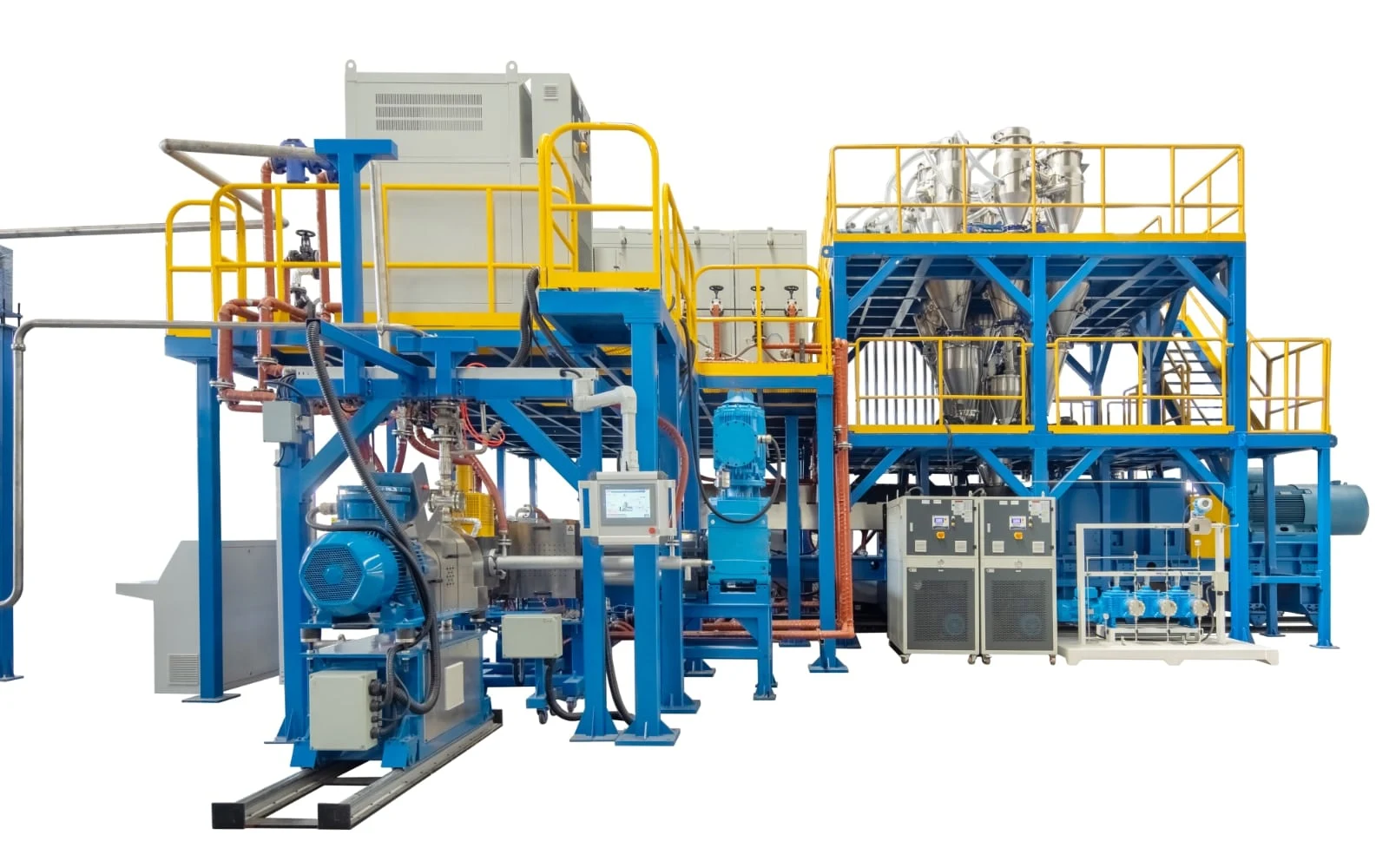
From PS to expandable beads, in one tandem line
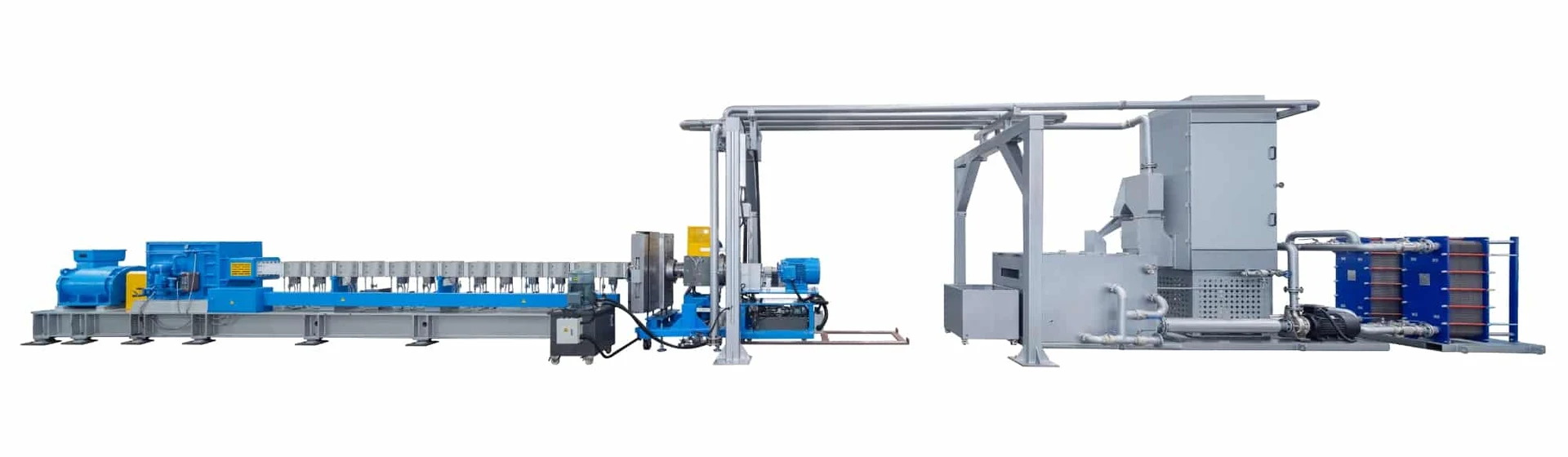
The whole process is fully automatic. A twin screw primary extruder melts, mixes and takes up the CO₂ blowing agent; a single screw cooling extruder brings the melt down to pelletizing temperature; the underwater pelletizer cuts beads that hold the blowing agent inside.
- 01
Vacuum loading
Polystyrene is conveyed to the feeding platform.
- 02
Loss-in-weight feeding
Gravimetric dosing of PS. Additives such as graphite or colour enter through side feeders.
- 03Tandem
Twin screw primary extruder
Melting and mixing. CO₂ blowing agent is injected into the extruder.
- 04Tandem
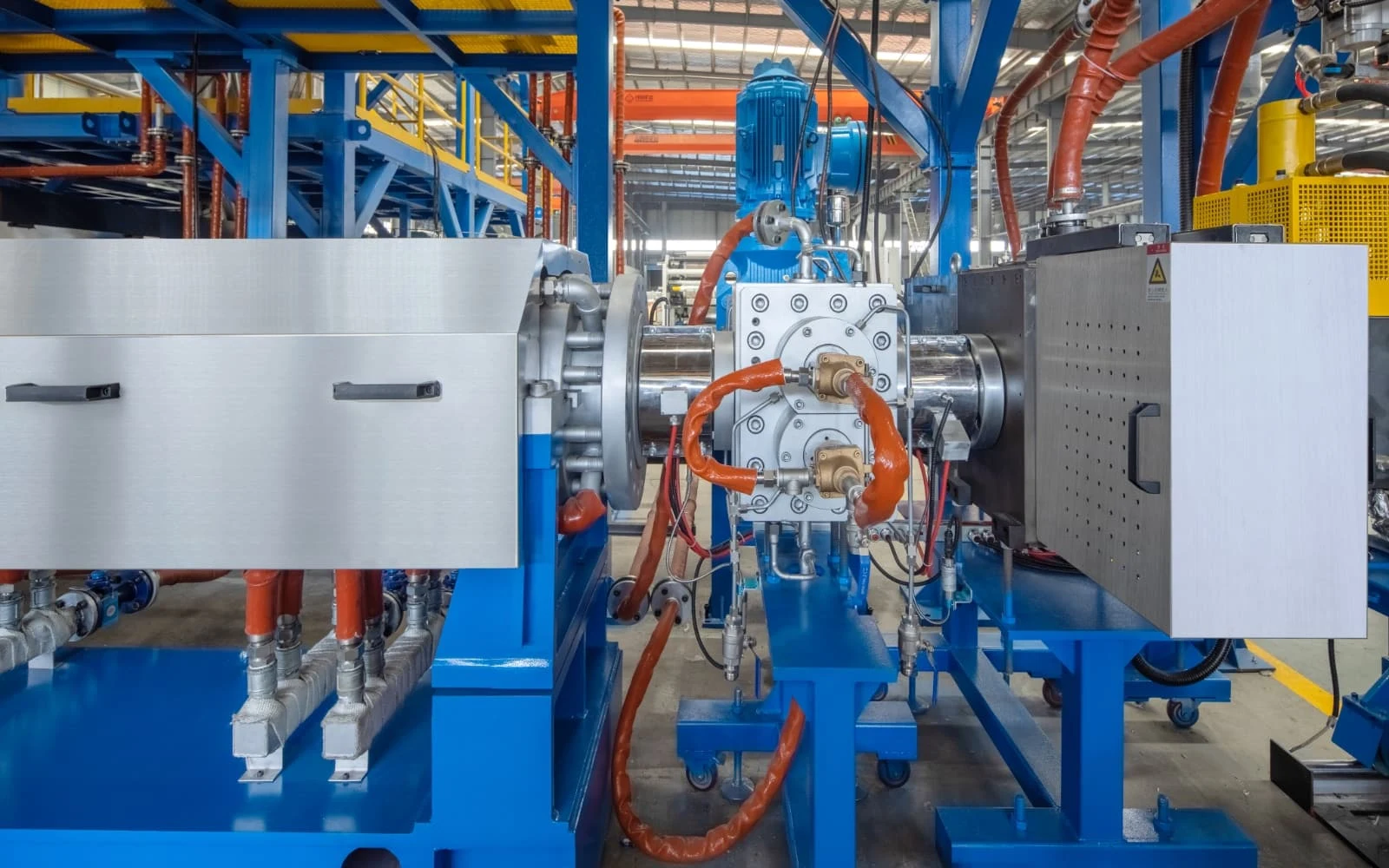
Single screw cooling extruder
Cools the melt to a temperature suitable for underwater pelletizing.
- 05
Dual-drive melt pump & screen changer
Steady melt pressure to the die, with melt filtration.
- 06
Underwater pelletizer
The melt is cut into small beads under water, which keeps the blowing agent inside.
- 07
Pelletizing & packing
Beads are dewatered and packed as expandable PS.
Also on EPS waste
With compacting, grinding and a force feeder ahead of station 03, the same line turns EPS waste back into expandable beads.
EPS to EPSThe beads you will sell
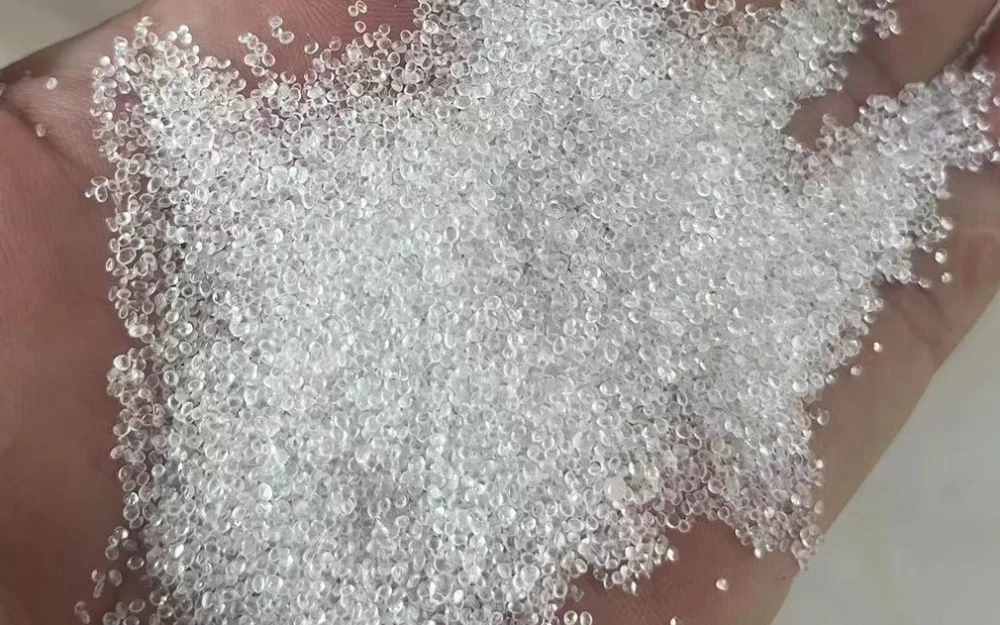
One line, two main products: grey beads for insulation, colour beads for packaging. Both leave the pelletizer with the blowing agent encapsulated, ready for pre-expansion and moulding.
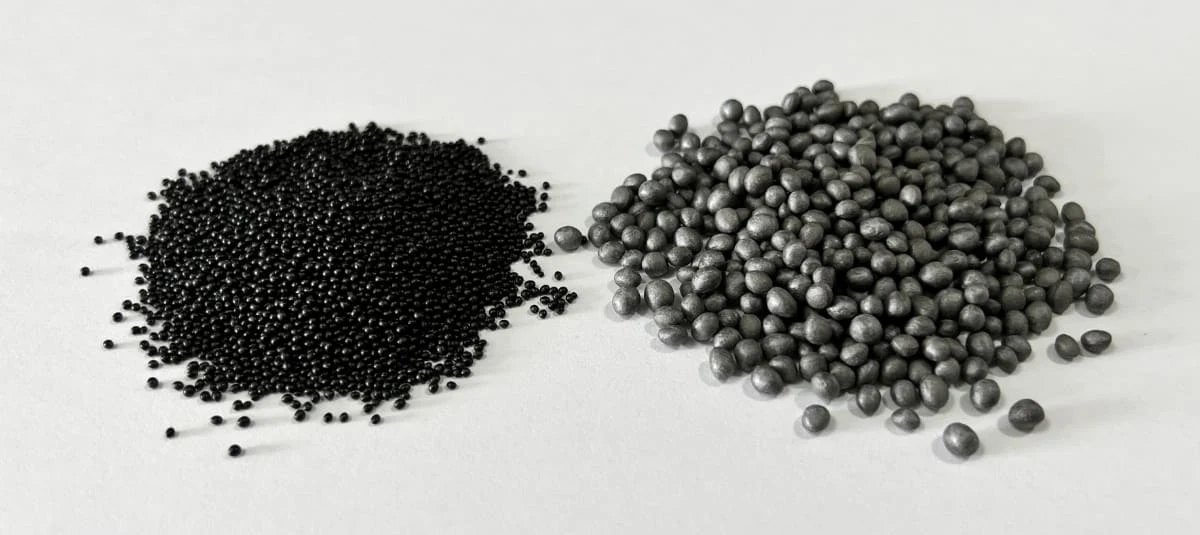
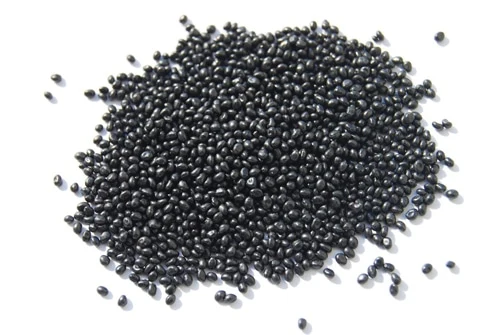
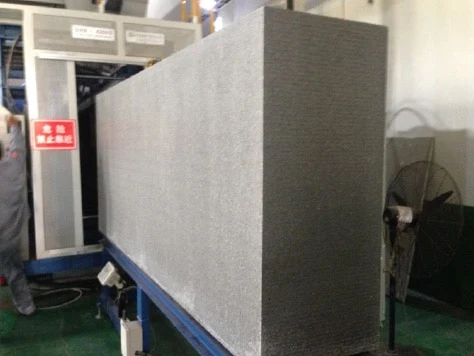
Insulation
Graphite EPS Beads
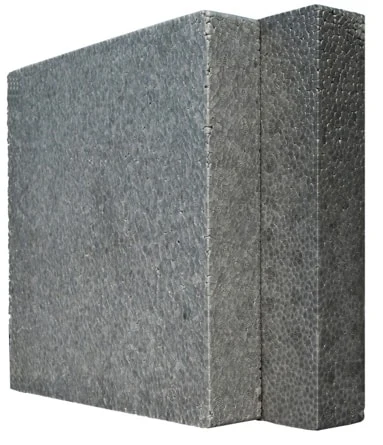
Black beads, grey foam. Graphite enriched EPS reduces the thermal conductivity by 20% against traditional white EPS.
- Conductivity
- <0.030 W/(m·K)
- Fire
- B1 fire-retardant grade
- Use
- Building insulation blocks and boards, a complement to XPS
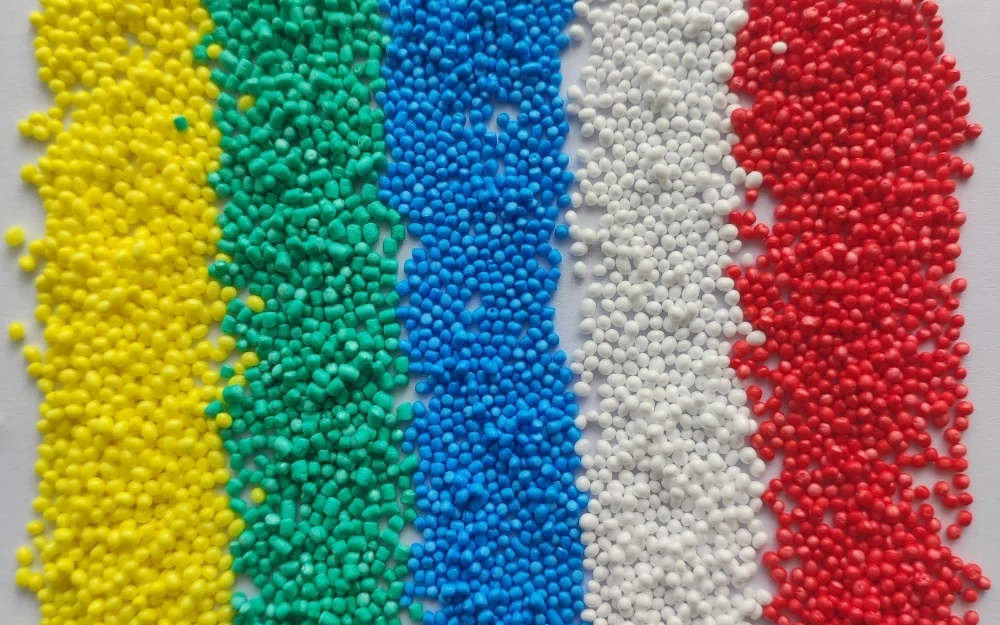
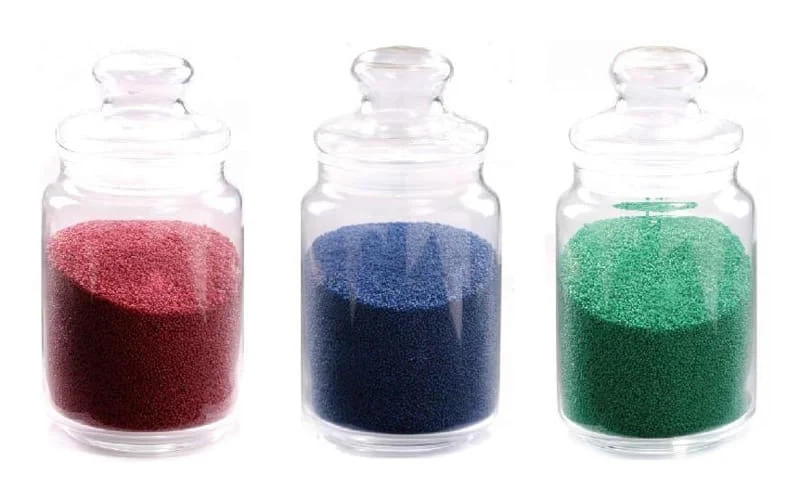
Packaging
Color EPS Beads
Tired of white EPS packaging materials? ECOFELTM EPS production line can produce EPS beads in any color.
- Colour
- Any colour, compounded in the melt
- Lasting
- Does not fade, does not stain the packaged goods
- Use
- Coloured packaging and moulded parts
Blowing agent encapsulated
Beads leave the line as expandable PS, used like suspension EPS.
Round beads, cut underwater
Beads with blowing agent need to be diced underwater to freeze the gas.
Additives in the melt
Graphite, colour and other additives are compounded in the same pass.
Virgin or recycled PS
The line runs on virgin PS or on EPS waste.
Capacity, from 200 to 3,000 kg/h
Systems are sized to the output you need. The references below are EPS bead lines USEON has delivered.
Tell us the bead type and the output you need; we size the twin screw, cooling extruder and pelletizer together.
Ask for a line size →Machines are one part of the solution
This type of project requires extensive experience in production. USEON has a globalized team to support your start-up and production, from lab scale foam extrusion line to 3,000 kg/h line.
- 01
Systems from 200 kg/h up to 3,000 kg/h
- 02
Complete automatic line
- 03
Turnkey project service, from consulting to operation
- 04
Online remote analysis, diagnostic and technical support
Reference · Tianjin, China
Where extruded graphite EPS started
- Trials
After 8 months of experiments, the first 20 tons of B1 fire-retardant graphite EPS beads pass all tests.
- First line
The first line, bought by Stanley (Tianjin) New Material, is tested at USEON and launched in Tianjin.
- Expansion
Two more lines of 2,000 kg/h each are up and running.
- Latest line
A SAT110-TDD200 line with underwater pelletizing, 1,500 kg/h, in Tianjin.
The first three lines we delivered in 2015 are still in continuous, trouble-free production, more than ten years on.
- Equipment
- SAT110-TDD200
- Pelletizing
- Underwater
- Output
- 1,500 kg/h
EPS to EPS
Our ECOFEL EPS beads line can convert EPS waste into EPS beads, blowing agent encapsulated, again. Thus, you can make the EPS circular.
- 01
Compact
EPS waste is compacted into blocks.
- 02
Grind
Blocks are ground into small crumbs.
- 03
Force-feed & extrude
A force feeder presses the crumbs into the primary extruder; additives enter through side feeders.
- 04
CO₂ & pelletize
CO₂ blowing agent is injected; the underwater pelletizer cuts small beads that encapsulate it.
- 05
Expandable PS again
Beads go back to EPS moulders.
Pelletizing and news
System · Pelletizing
Underwater Pelletizing System
The pelletizer at the end of every EPS bead line, from 500 kg/h up to industrial scale.
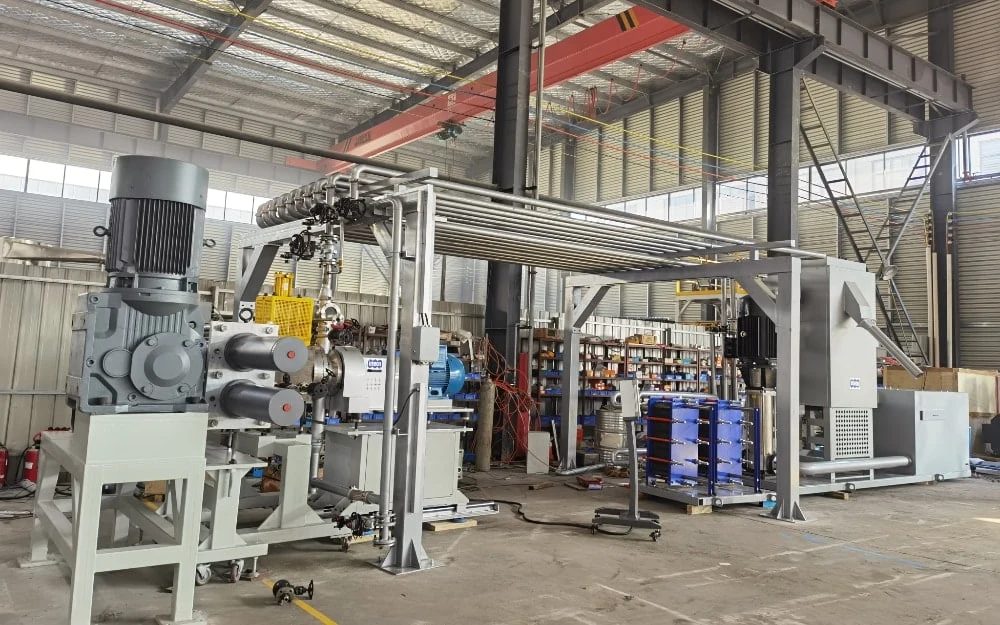
Particles with foaming agent need to be diced underwater to freeze the gas, such as EPS, PLA, TPU.See the system
News
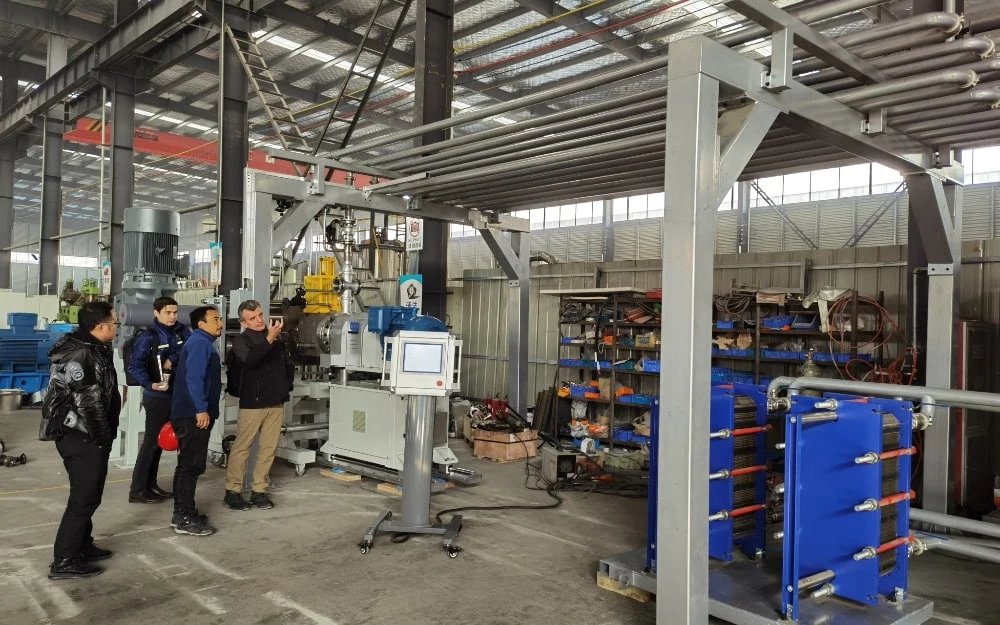
5 t/h Underwater Pelletizing System Delivered
The largest regular underwater pelletizing system for EPS beads pelletizing.
Historical moment to invest in EPS business
The extruded process lowered the bar to enter into EPS beads business.
Congratulations to successful launch of first graphite EPS beads pelletizing line
One week before Chinese New Year, the first-sold line was launched in Tianjin.
A New Milestone for Thermal Insulation
“Blacket” graphite EPS beads and their processing machine are launched.
Get a quote
Tell us the beads you want to make (graphite, colour or recycled), your raw material and the output you need.
- 01Beads & output check
- 02Layout & utilities
- 03Start-up & production support

Cliff Zhang
Head of Foam Extrusion Division
Polymer foam extrusion, extrusion machinery R&D and international business development.