
PET Sheet Extrusion Line
A twin screw sheet line that runs PET without crystallization and without pre-drying, up to 100% post-consumer recycled material. Backed by extensive field practice, the intrinsic viscosity drop stays at ≤ 0.03 dl/g.
- APET
- RPET
- CPET
- PETG
- Intrinsic viscosity drop
- ≤ 0.03dl/g
- Sheet thickness tolerance
- ± 0.005mm
- Sheet thickness, at 600–3,000 mm width
- 0.15–3mm
- Throughput, SAT75 to SAT110
- 500–2,000kg/h
No crystallizer, no dryer in front of the extruder
The moisture leaves the melt through the vacuum ports of the twin screw extruder instead of a drying tower.
| Route | Process | Result |
|---|---|---|
| Single screw lineDry first, then extrude | CrystallizerDryer, 3–5 hoursSingle screw extruderDie | Pre-drying is necessary before a single screw extruder. |
| USEON lineStraight into the extruder | PCR flakes, regrind or virgin PETTwin screw extruder with high vacuumDieSheet | No pre-treatment, no crystallization drying. 100% PCR is processable. |
High-torque extruder
Low temperature and low speed operation.
High-fill-ratio feeding system
Maximised throughput rates.
High-vacuum degassing system
Superior colour retention, minimal IV drop, low-molecular-weight VOC degassing.
Highly optimised screw configuration
Optimal plasticising intensity and enhanced molecular weight distribution.
Ultimate-efficiency cooling system
Ultra-transparent sheet quality.
Fully automated winding system
Superior operator experience.
Why PET loses viscosity in the melt, and which IV each application needs, is explained on the main page.
From chips and flakes to thermoforming sheet
One line for the PET grades used in packaging.
| Line data | Drying-free PET sheet line |
|---|---|
| Raw material | PET, APET, RPET, CPET, PETG |
| Recycled content | Up to 100% PCR |
| Pre-treatment | None |
| Line types | Single-layer and multi-layer co-extrusion |
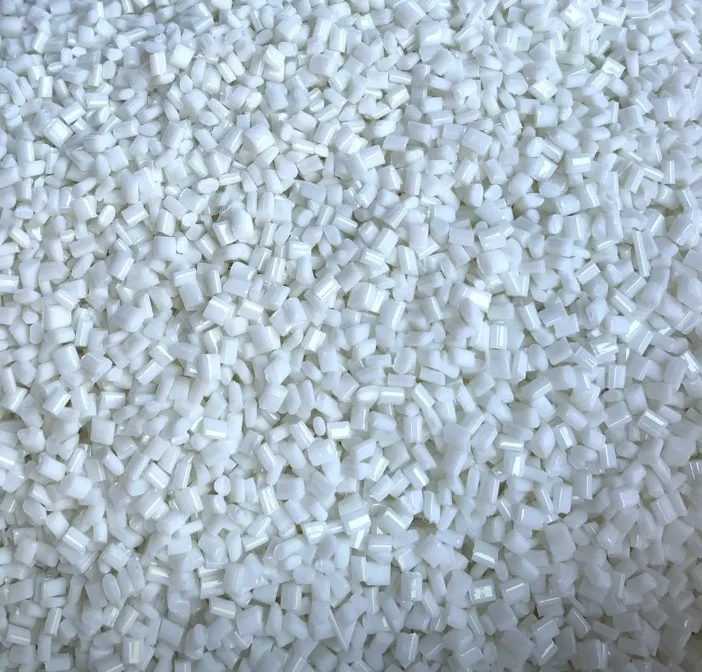
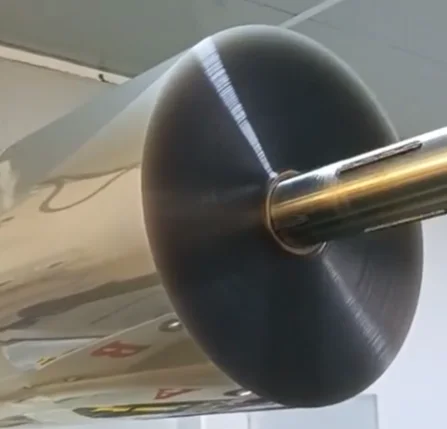
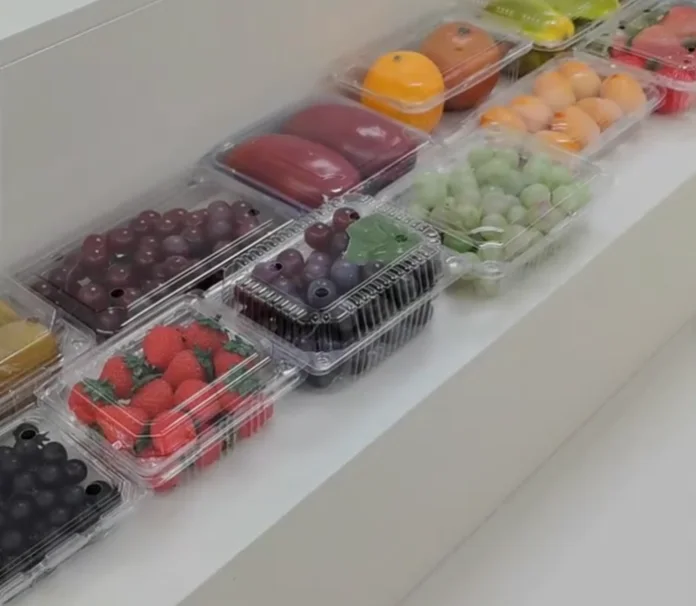
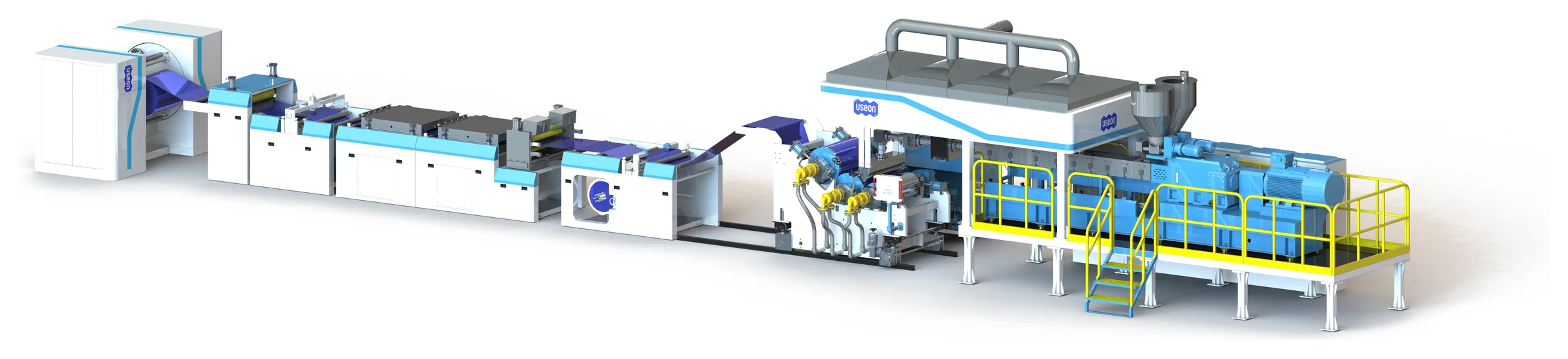
The line, station by station
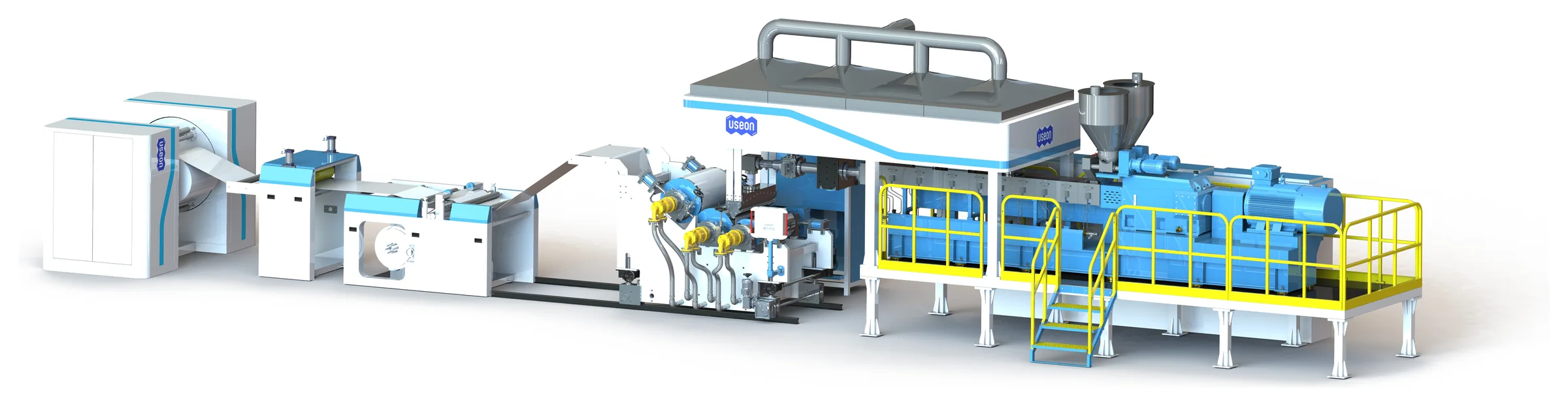
A one-stop line from the feeder to the wound roll.
| Station | Equipment | What it does |
|---|---|---|
| Feeding | High-fill-ratio feeding system | Fills the screws for maximised throughput rates. |
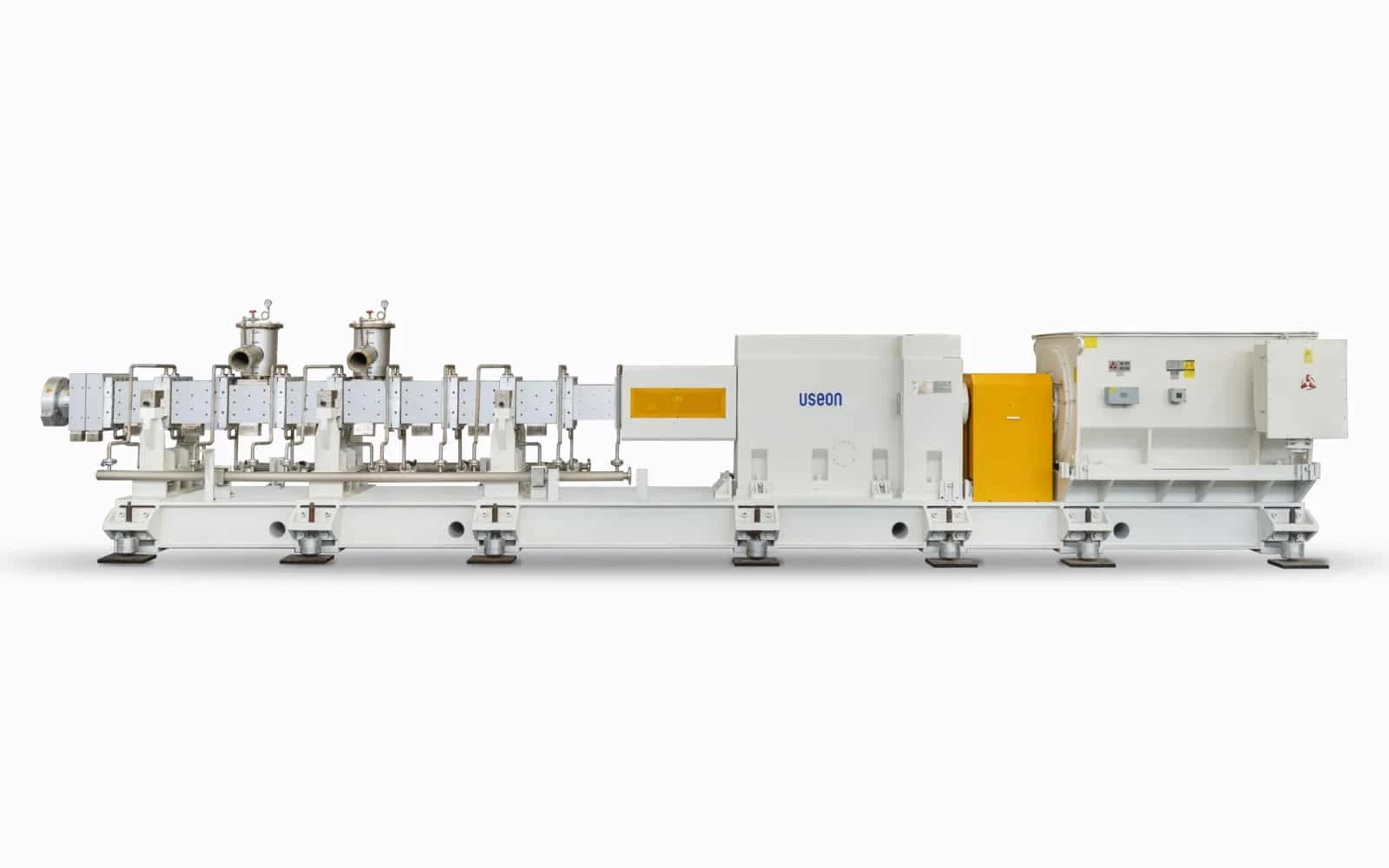
| Extrusion & degassing | SAT twin screw extruderVacuum ports in zones 5, 7 and 8Triple-stage vacuum system | Melts at low temperature and low speed; extracts moisture and volatiles before the PET can hydrolyse. |
| Melt delivery | Continuous screen changerMelt pumpSheet die | Nonstop filtration, constant pressure and surge-free flow into the die. |
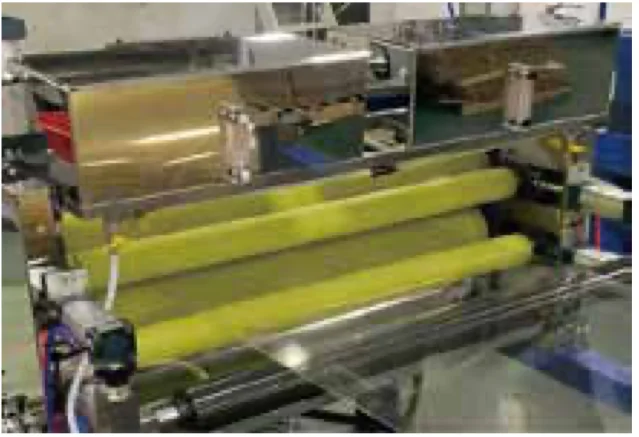
| Forming | L-type 3-roll calender | Cools and polishes the sheet; three servo-driven rollers run synchronised. |
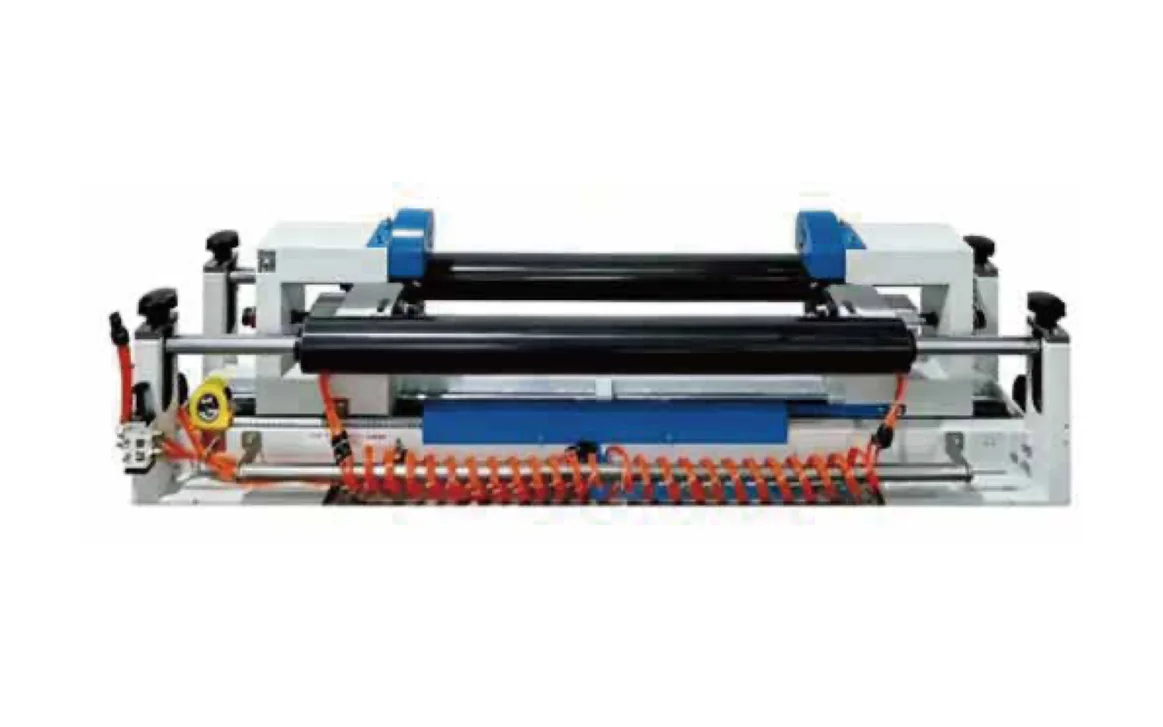
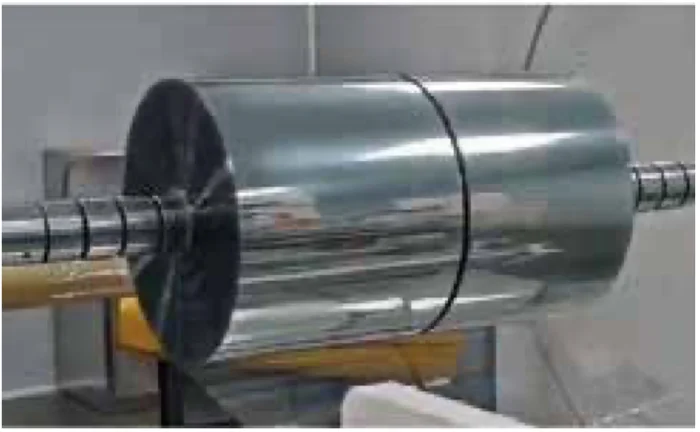
| DownstreamOptions: inline grinding and re-feeding of the edge trim; automatic turret winder | Edge trimmingSilicone oil coatingDrying ovenSlittingWinding | Clean, burr-free edges; uniform coating; flush roll ends under servo tension control. |
The drive train: PMSM, high-torque gearbox, safety coupling
Three components that decide the energy bill and protect the screws and barrel.
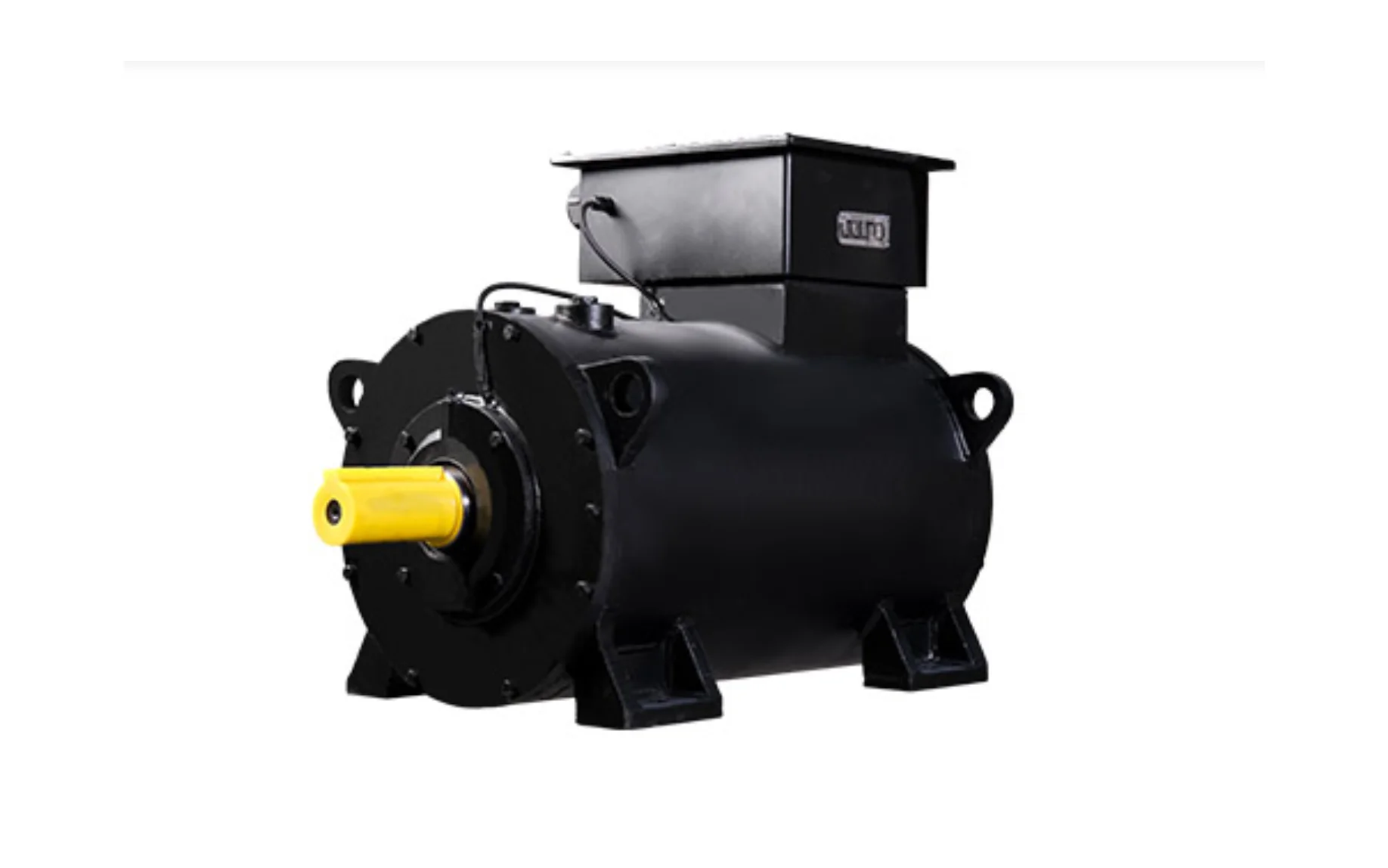
Permanent magnet synchronous motor
Compared with a conventional AC induction motor. A 220 kW PMSM saves approximately 300 to 500 kWh of electricity per day.
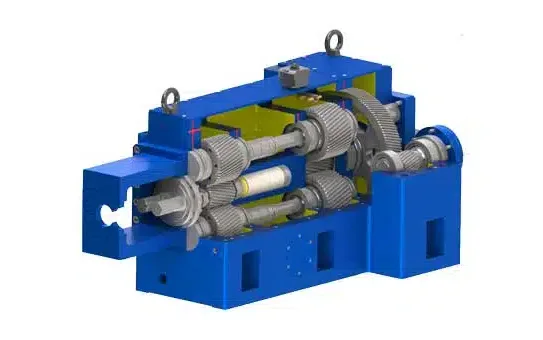
USEON high-torque gearbox
In PET extrusion the specific torque translates into lower energy consumption, lower shear rates and a higher screw filling degree.
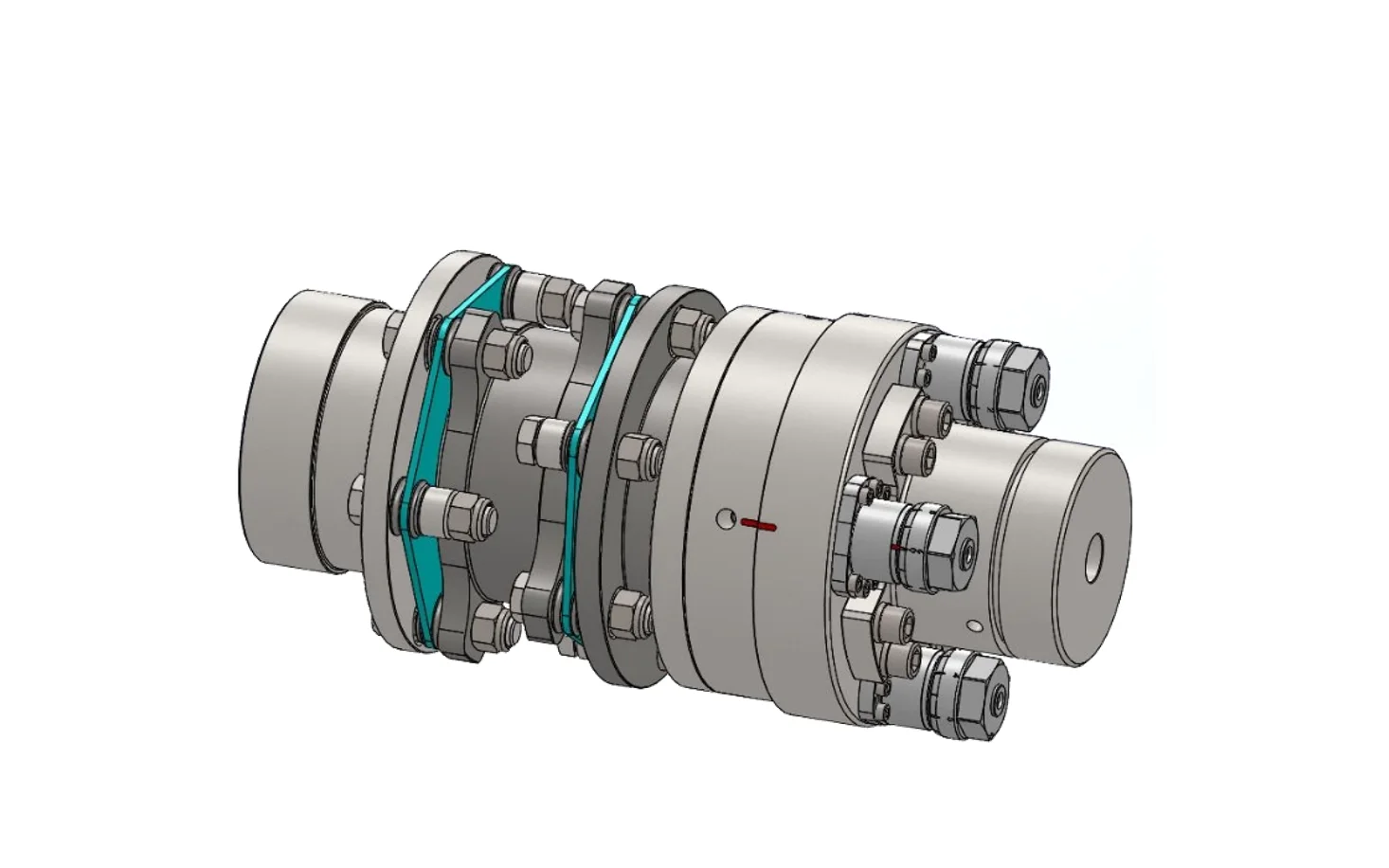
Extrusion safety coupling
On torque overload the drive is separated from the screws. A signal interlock shuts down the main motor and the feeders.
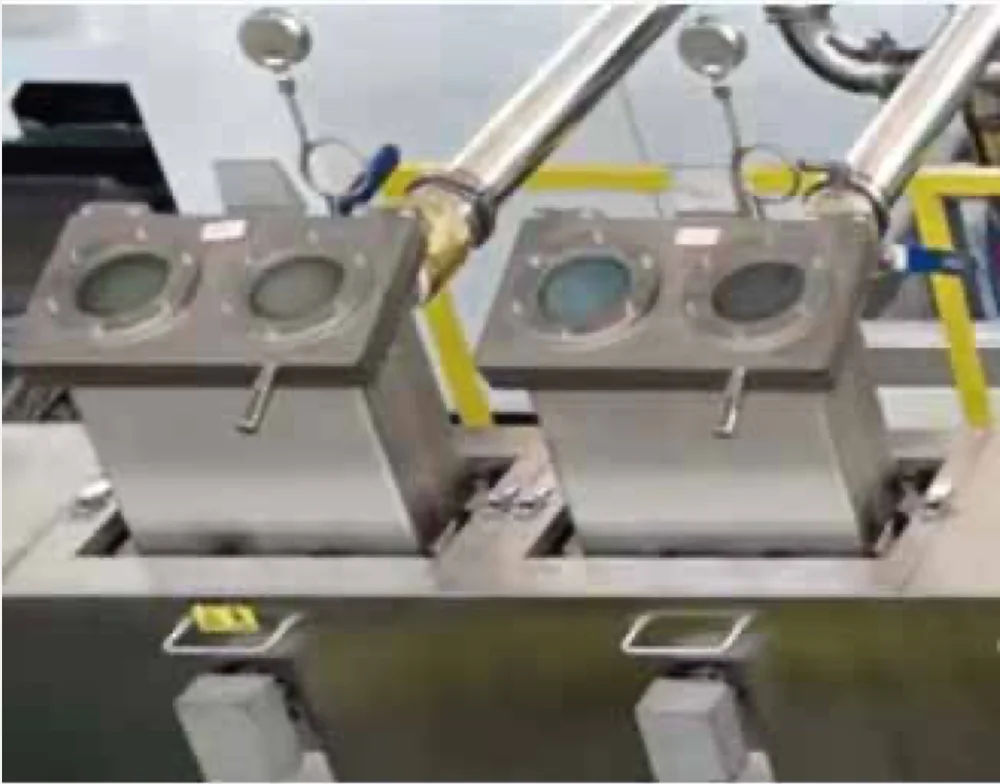
Vacuum where the melt surface is largest
Active vacuuming through both the natural and the high-volume venting ports rapidly extracts moisture, preventing PET hydrolysis and minimising IV drop.
| Barrel | Venting |
|---|---|
| Zone 5 | Auxiliary vacuum. Originally a natural atmospheric vent; extensive testing proved that connecting it to the vacuum pump significantly enhances sheet transparency and toughness, and reduces the gas load downstream. |
| Zones 7 and 8 | Dual, elongated high-volume venting ports. Grooved, high-conveying screw elements maximise the melt surface and accelerate surface renewal. |
| Inline protection | Three filtration units between the venting ports and the vacuum pump trap volatile condensates. |
Triple-stage liquid-ring Roots vacuum system
| Vacuum system | Data |
|---|---|
| Vacuum level | −0.1 MPa, consistently maintained: a highly stable level approaching absolute vacuum. |
| Pump system | Triple-stage: a liquid-ring vacuum pump with secondary and tertiary Roots pumps. Three-lobe rotors with mechanical-plus-composite sealing. |
| Cooling water | Closed loop: an integrated recirculation tank with a cooling fan and an automatic make-up valve. |
| Installation | Plug-and-play: the integrated unit needs only a few basic connection interfaces. |
L-type 3-roll calender
The first two rolls stand side by side, so the die extrudes vertically downward. Commissioning is effortless and start-up is rapid.
< 0.005 mm
Roller runout in operation
Ra 0.015 μm
Roller surface, hard-chrome plated and polished
15 mm
Thin-wall roller shell
Up to 10 t
Clamping force per hydraulic cylinder
- Thin-wall rollers: cooling efficiency 15% to 30% higher than traditional thick-wall designs
- 42CrMo alloy steel shell: surface strength and hardness against scratching or denting by high-stiffness sheets
- Monoblock spiral-groove core, shrink-fitted into the shell: no internal gaps, no deflection under calendering pressure
- Premium bearings, shrink-fitted for a zero-clearance fit between bearing and shaft
- Servo motors on all three rollers, with zero-backlash gearboxes: no chatter marks or ripples
- Hydraulic clamping with zero pressure fluctuation during production, for flatness and consistency
Models
Technical specifications of the drying-free PET sheet extrusion line.
| Extruder | Motor power | Throughput |
|---|---|---|
| Single-layer extrusion line | ||
| SAT75 | 160 kW | 500–700 kg/h |
| SAT85 | 220 kW | 700–900 kg/h |
| SAT95 | 355 kW | 900–1,500 kg/h |
| SAT110 | 500 kW | 1,500–2,000 kg/h |
| Multi-layer co-extrusion line | ||
| SAT75 / SAT52 | 160 kW / 45 kW | 500–700 kg/h |
| SAT85 / SAT52 | 220 kW / 45 kW | 700–900 kg/h |
| SAT95 / SAT65 | 355 kW / 75 kW | 900–1,500 kg/h |
All models
| Line data | Value |
|---|---|
| Raw material | PET, APET, RPET, CPET, PETG |
| Sheet thickness | 0.15–3 mm |
| Sheet width | 600–3,000 mm |
| Vacuum level | −0.1 MPa |
| Control | Servo drive, dual closed-loop control |
Reference project · Jiangsu, China
PET sheet production line, 800–1,200 kg/h
- Extruders
- SAT95 + SAT65
- Output
- 800–1,200 kg/h
- Product
- PET sheet
Know How · PET
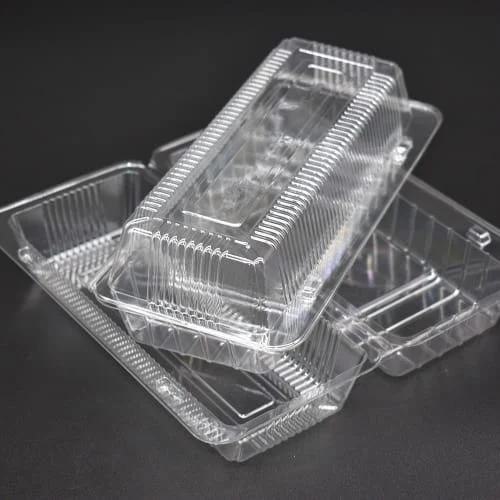
PET Sheet Guide: A-PET vs PVC, Uses and Production
A-PET sheet, its raw materials and its applications.
 Read the guide
Related lines
 Upcycling
PET Recycling
IV by application, the extruder and all eight product routes.
 Foam Extrusion
PET/PS/PLA/PC Microfoam Sheet Lines
The same sheet with a foamed core: 30% to 40% lighter.
 Sheet Extrusion
PP / PS / PLA / PBAT / PHA Sheet Extrusion Line
The sister line for polyolefin, styrenic and biodegradable sheet.
Tell us what PET you run and what sheet you sell. We propose the extruder size and the layer structure.
- 01Material: virgin, flakes or regrind; share of PCR; grade (APET, CPET, PETG)
- 02Sheet: thickness range, width, single-layer or co-extruded, output per hour
- 03Line configuration and quotation

Souder Chen
Head of Compounding Division
With USEON since 2008. Twin screw compounding, devolatilization and recycling lines.