
Chemical Recycling
For post-consumer plastic waste that mechanical recycling cannot handle. USEON supplies high-torque twin-screw extruders and the complete solution around them, for the pyrolysis of PP and PE and the depolymerization of PET.
- PP / PE · pyrolysis
- PET · depolymerization
Where mechanical recycling stops
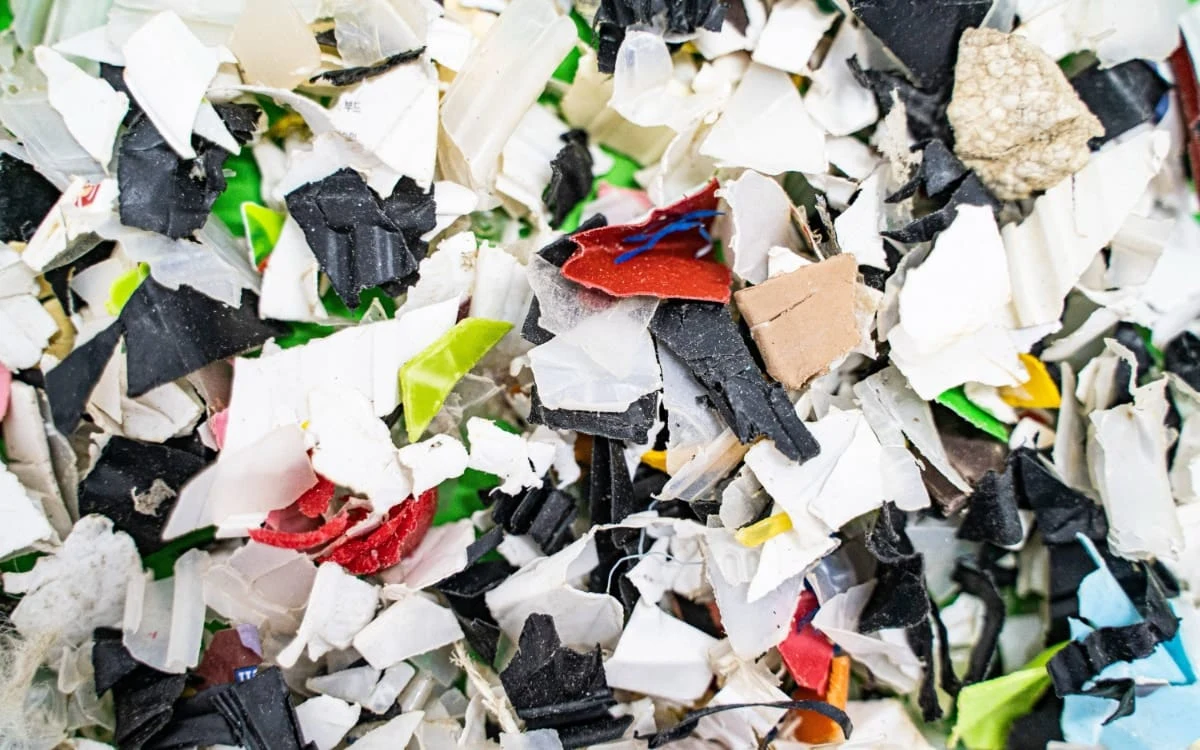
Plastic waste, especially post-consumer packaging waste, faces significant recycling challenges. Traditional mechanical recycling is often ineffective for it.
High contamination levels
Post-consumer packaging waste arrives mixed and soiled.
Expensive sorting and cleaning
The processes mechanical recycling depends on.
Immature technologies
Chemical recycling has emerged as a crucial solution to address plastic waste issues.
Applications
USEON has relevant experience in the chemical recycling of PP, PE and PET. Our high-torque twin-screw extruders offer several advantages in these applications.
PP / PE chemical recycling
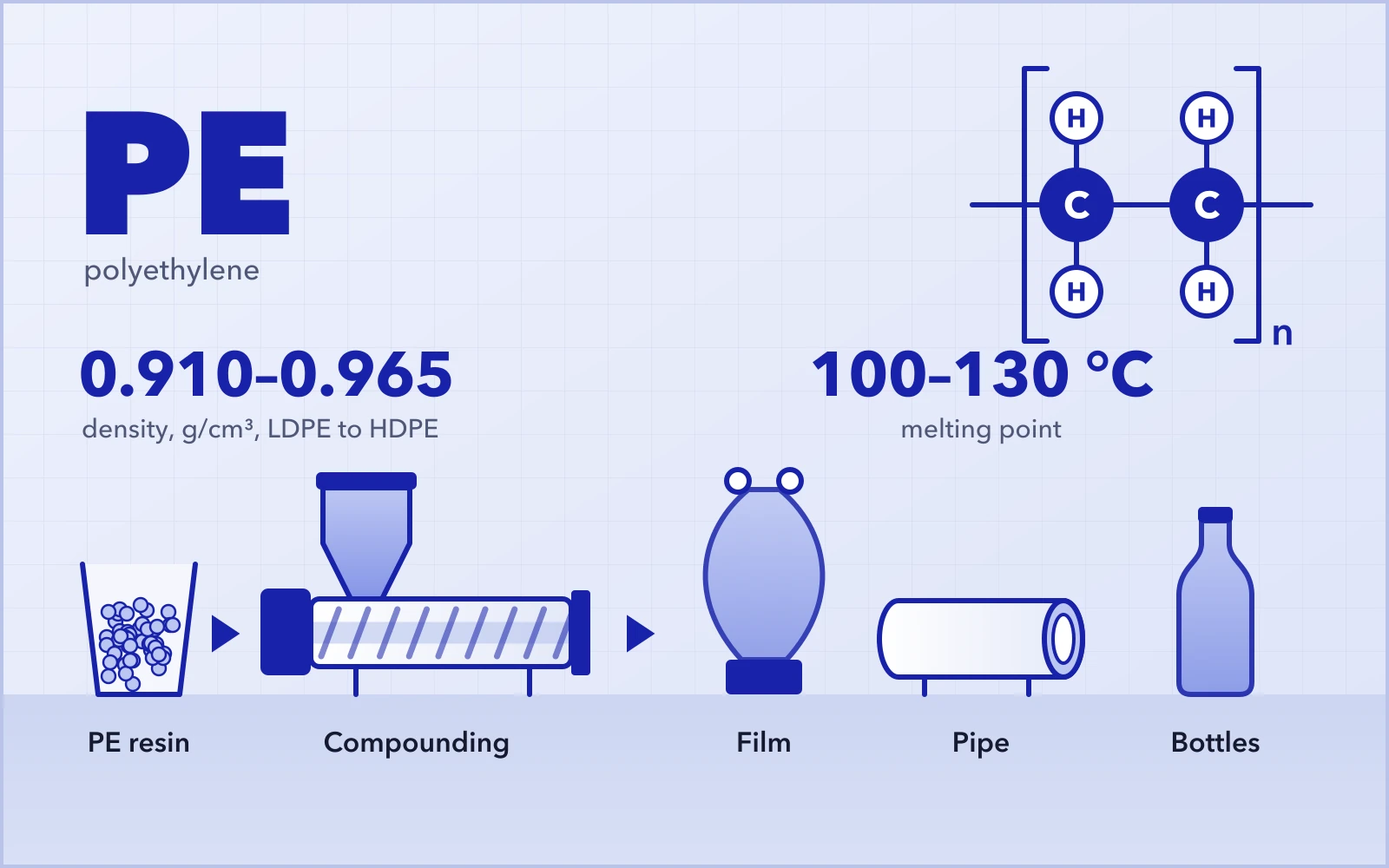
Polypropylene (PP) and polyethylene (PE) are the most common plastics, used in packaging, consumer goods and industrial applications. Through chemical recycling using twin-screw extruders, they can be depolymerized via pyrolysis into shorter molecules or monomers, which can be reused in plastic production or further processed into chemicals.
Route
- PP / PE waste
- Twin-screw extruder
- Pyrolysis
- Shorter molecules, monomers
- Efficient pyrolysis improves recycling rates, converting plastics into reusable petrochemical feedstock.
- High shear force and precise temperature control ensure a uniform and stable pyrolysis process.
PET chemical recycling
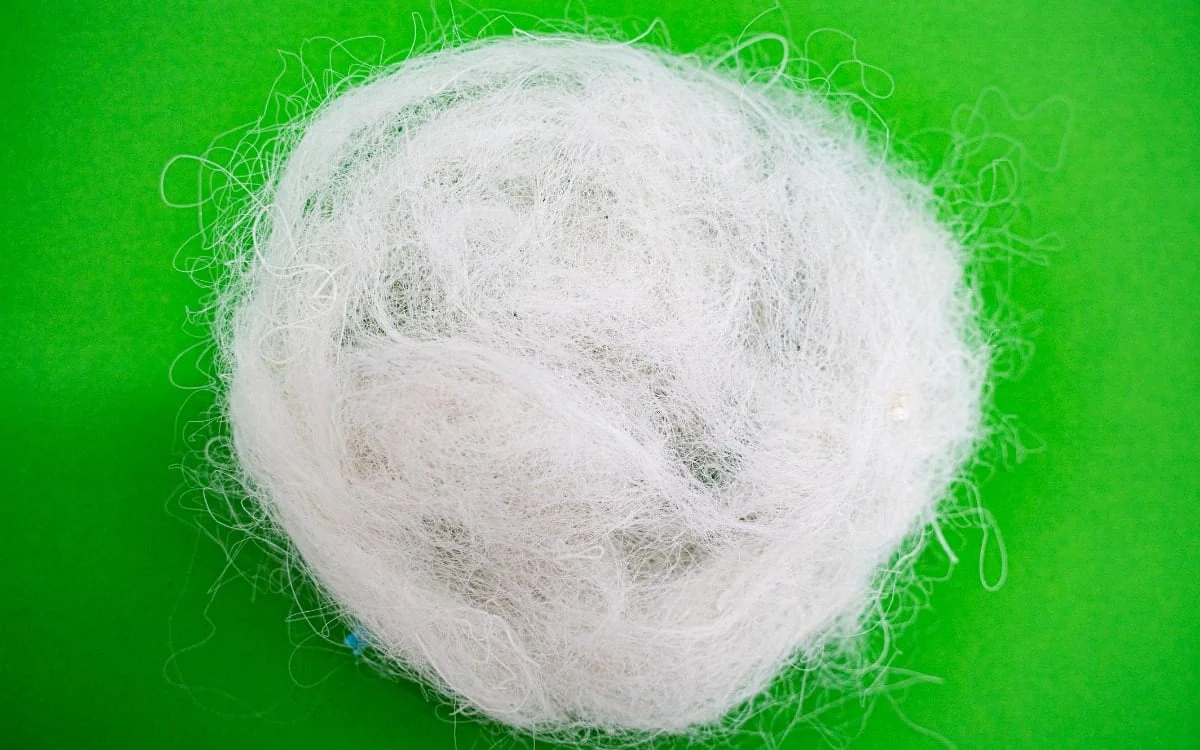
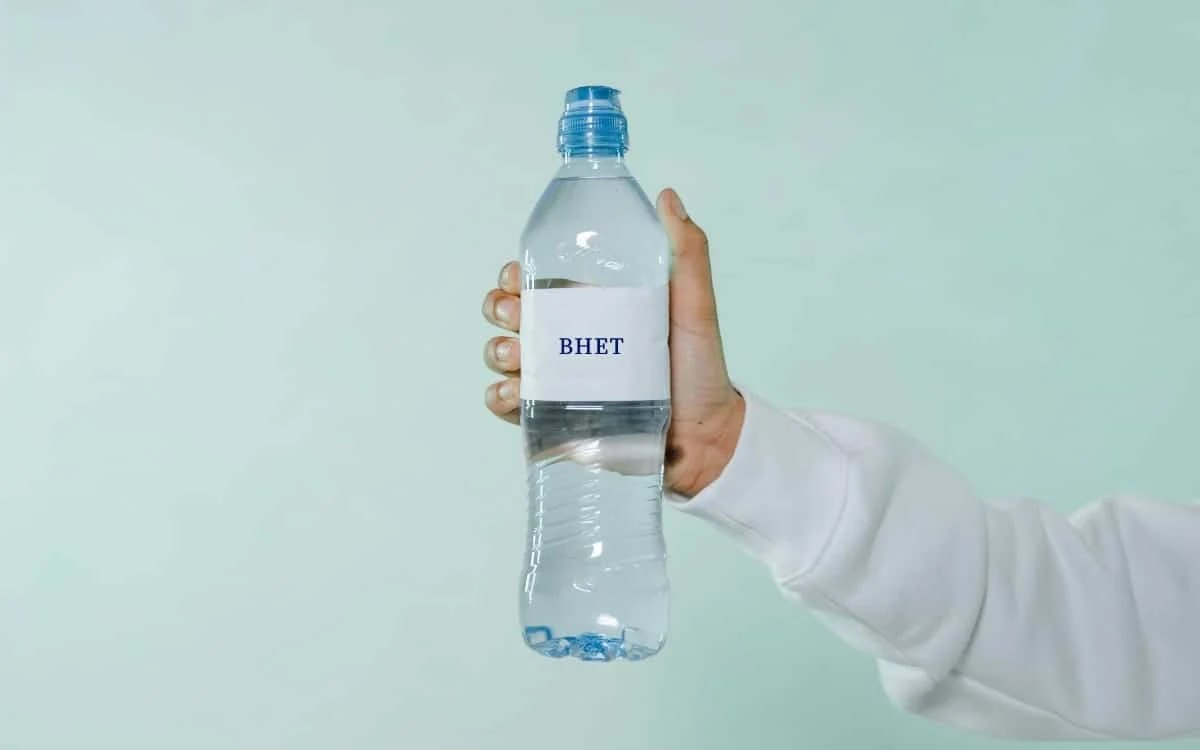
PET is widely used in food packaging and textiles. Traditional mechanical recycling cannot effectively address the degradation of PET. Twin-screw extruders promote the depolymerization of PET waste by controlling temperature and catalysts, down to the monomer BHET (bis(hydroxyethyl) terephthalate).
Route
- Waste PET fibre, flakes
- Twin-screw extruder
- Depolymerization
- BHET
- Precise control of temperature and reaction time for the purity of the recycled material.
- Strong mixing, for effective collaboration with catalysts and solvents.
- Higher output, with a capacity of up to 20 tons per hour.
Advantages of twin-screw extruders in chemical recycling
Efficiency
Intense shearing and uniform heating process waste plastics efficiently and support complete reactions.
Precision control
Reaction conditions are adjusted precisely for each type of plastic, minimising by-product generation.
Closed system
Compared to traditional chemical recycling methods, less solvent is used and the process runs closed, lowering emissions.
Flexibility
A wide range of process adjustments accommodates diverse waste treatment needs.
Reference project
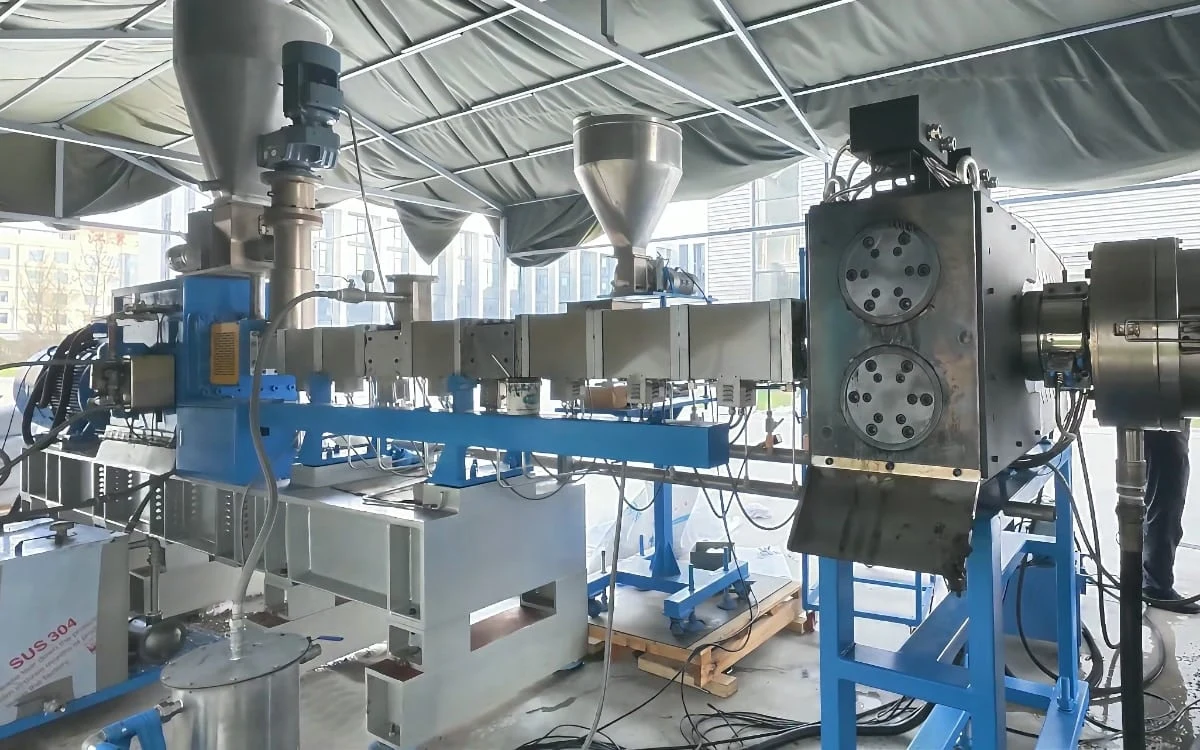
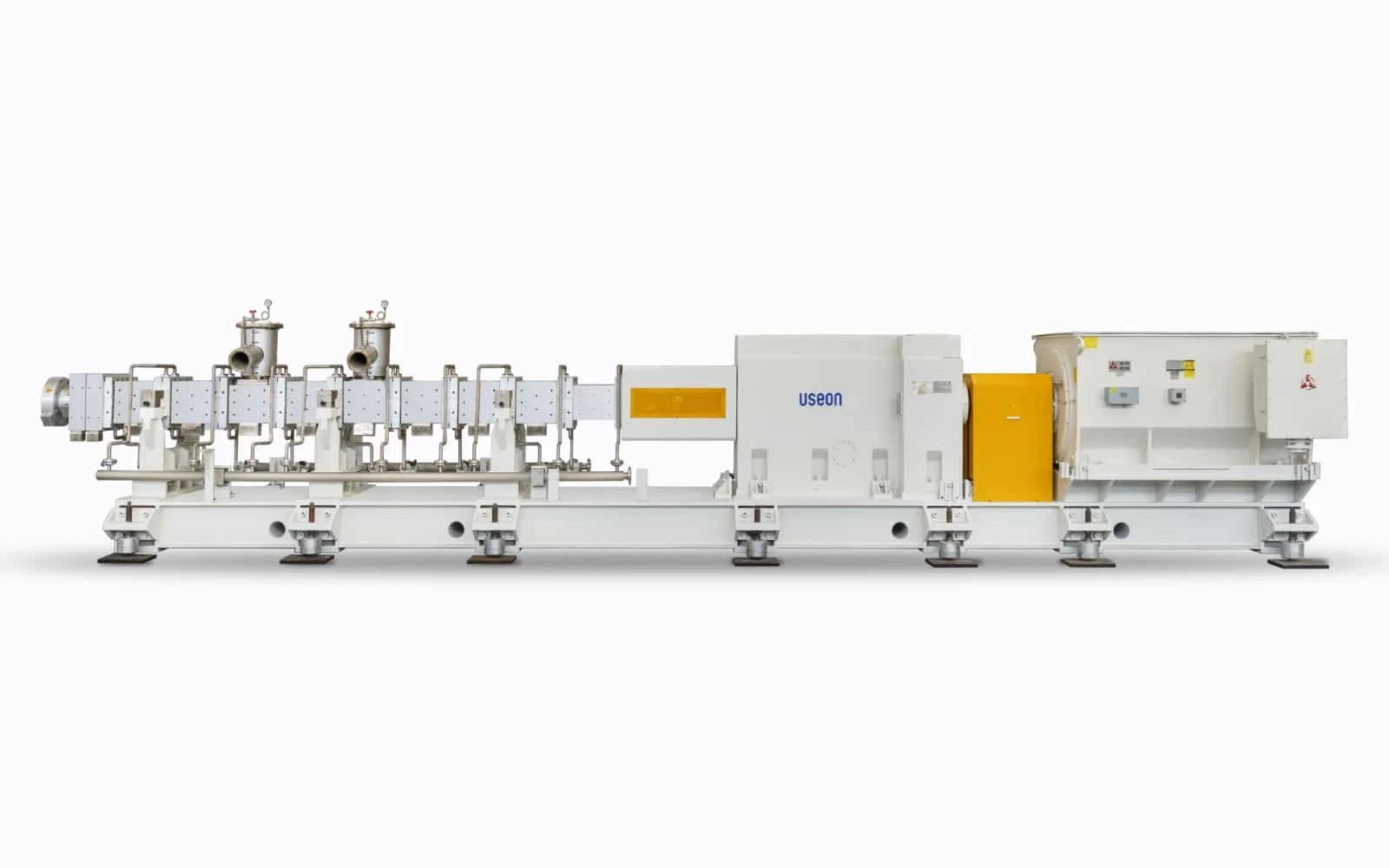
SAT95 twin screw extruder for PE chemical recycling
- Raw material
- PE plastic
- Extruder
- SAT95 twin screw extruder
- Pelletizing
- Water ring pelletizing system
- Application
- PE chemical recycling
- Output
- 1,300 kg/h
Get a quote
If your company is planning projects related to chemical recycling, tell us the waste stream and the process around the extruder.
- 01Waste stream: polymer, form, contamination
- 02Your process: pyrolysis or depolymerization, target product
- 03Extruder size, configuration and quotation

Souder Chen
Head of Compounding Division
With USEON since 2008. Twin screw compounding, devolatilization and recycling lines.