
Sheet Extrusion
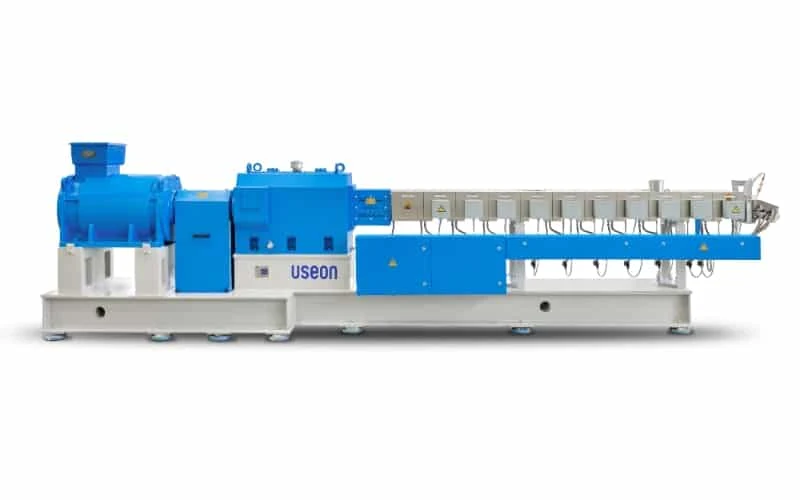
Sheet direct extrusion is what USEON is known for in sheet and film: polymer, filler and additives are fed, mixed and devolatilized in one twin screw extruder and leave the die as finished sheet, without pelletizing or pre-drying in between. Single screw sheet and board lines complete the range.
- Packaging sheet
- Technical sheet & board
- Film
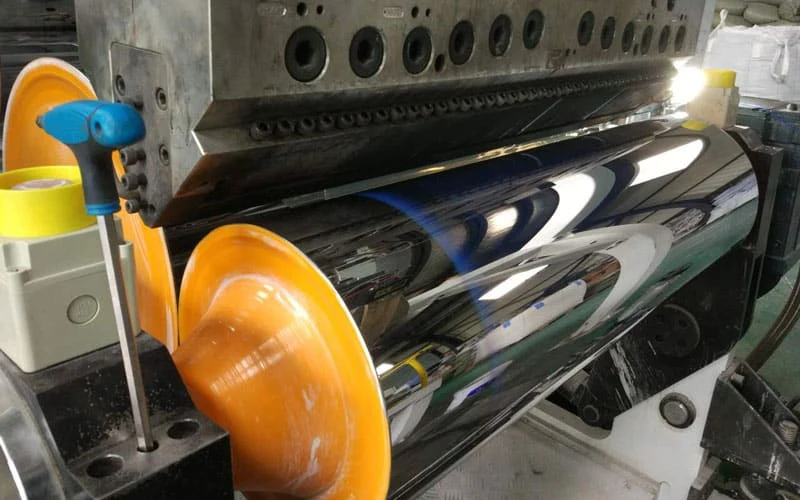
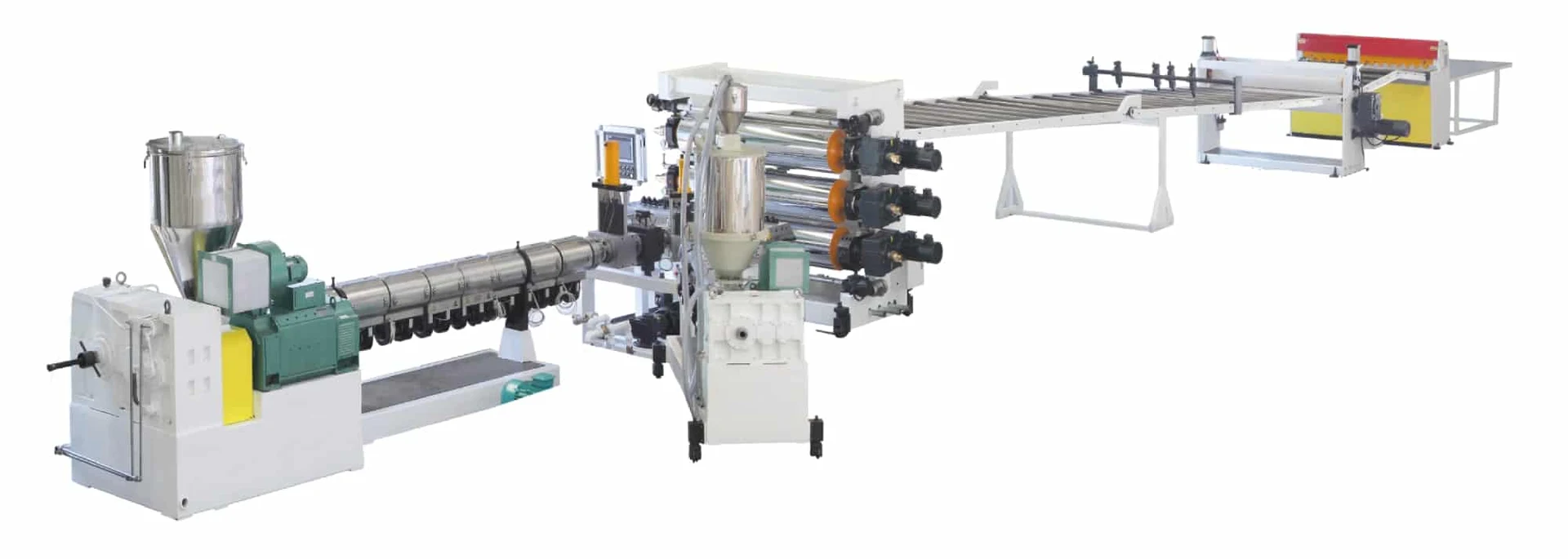
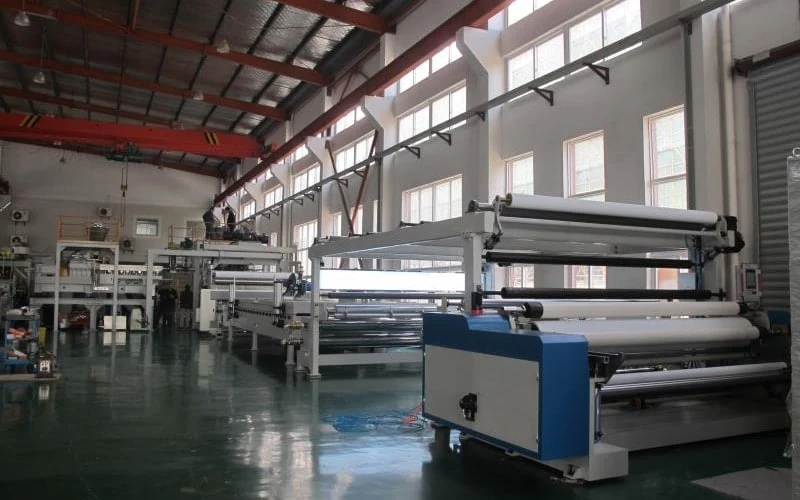
Find your line by what you make
Nine lines in three groups. Each card names the polymers, the size of the sheet and the extruder that drives the line.
Packaging sheet
Wound into rolls, for thermoforming
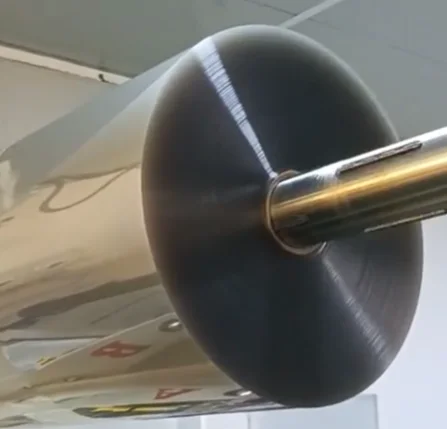 PET SheetAPETRPETCPETPETGThickness0.15–3 mmOutput500–2,000 kg/hTwin screw · no pre-drying
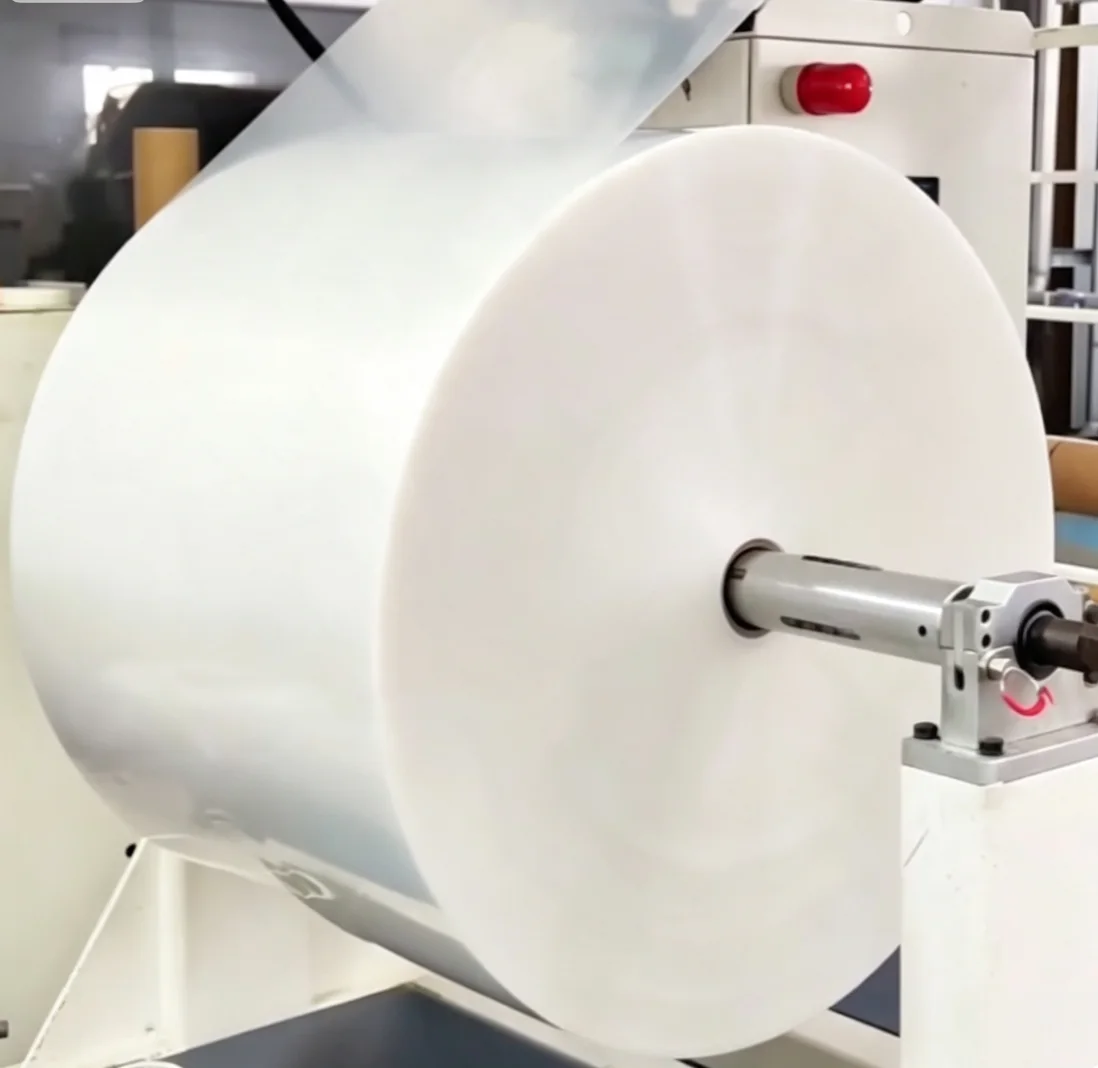 PP / PS / PLA / PBAT / PHA SheetPPPSHIPSPLA · PBAT · PHAThickness0.15–3 mmOutput350–1,500 kg/hTwin screw or single screw
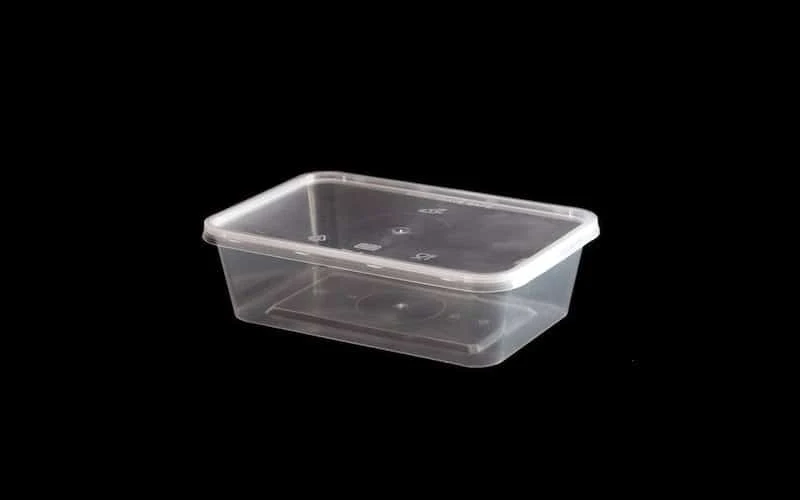 Barrier SheetPPPEPSEVAEVOHThickness0.15–2 mmOutput200–600 kg/hSingle screw · multi-layer
Technical sheet & board
Appliances, sanitaryware, building
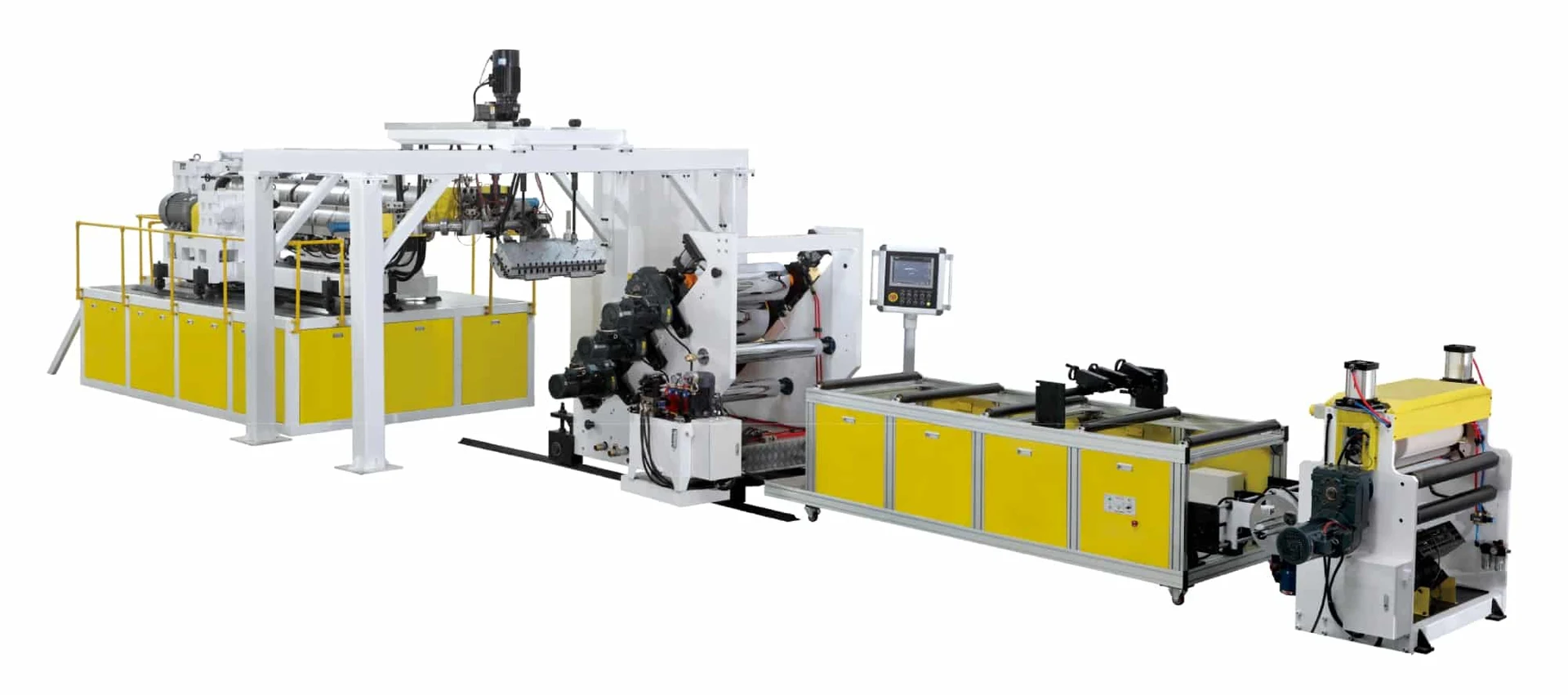 ABS SheetABS1 · 2 · 3 · 5 layersThickness1–6 mmWidth600–1,200 mmSingle screwABS / HIPS / PMMA BoardABSHIPSPSPMMAThickness1–8 mmOutput550–750 kg/hThree single screws · cut and stacked
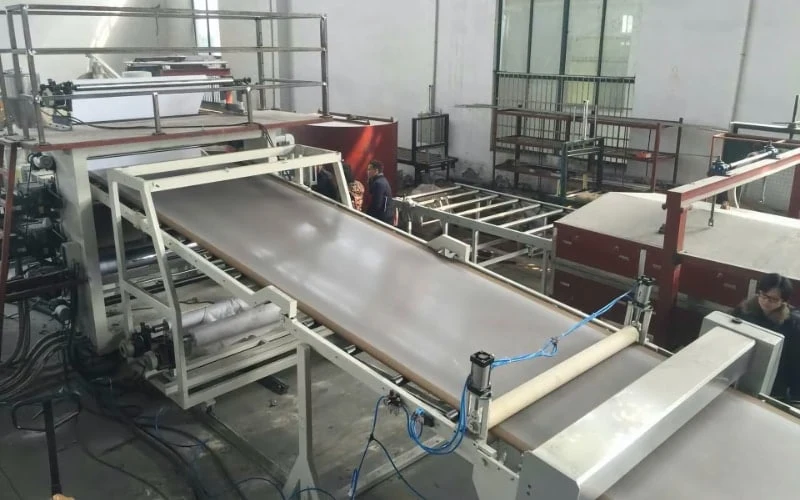 WPC SheetPP+ 40% wood fiberThickness0.8–1.5 mmOutputup to 600 kg/hTwin screw · compounded in line
Film
Glass interlayer, solar, packaging
PVB / SGP FilmPVBSGPThickness0.3–1.5 mmWidthup to 4,000 mmTwin screw · co-extrusion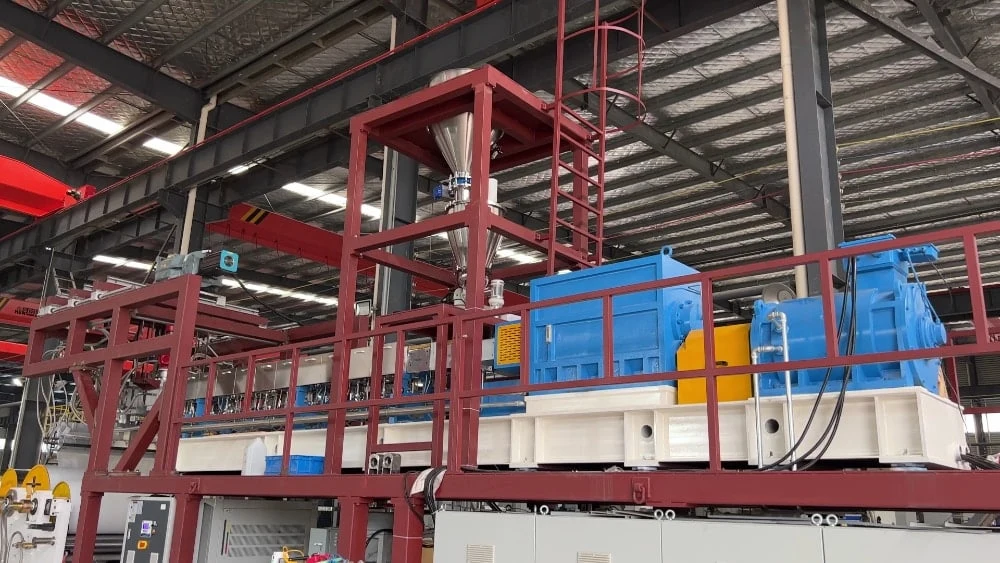 POE / EVA Solar FilmEVAPOENew EnergyThickness0.3–0.9 mmOutput300–500 kg/hTwin screw · liquid additives
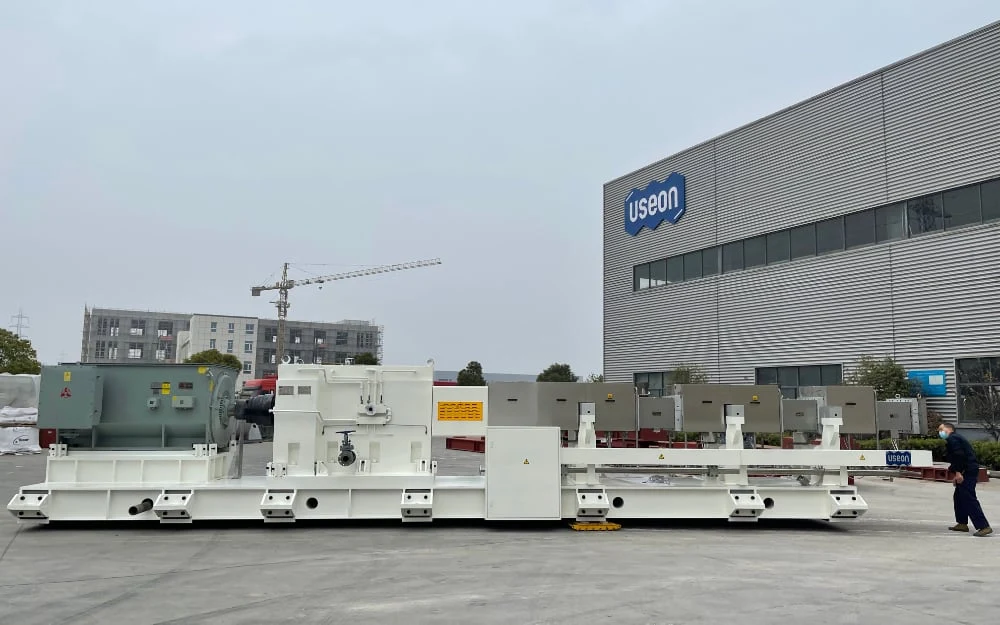 BOPET FilmPETA/B/CThickness12–125 μmOutput5,000 kg/hTwin screw · the extruder of the film line
Twin screw: direct extrusion, the formula is compounded in the lineSingle screw: resin or a premix, extruded as it isBoth series available
The lines side by side
Thickness tells the lines apart: from 12 μm stretched film to 8 mm board.
Packaging sheetTechnical sheet & boardFilm
Logarithmic scale. Ranges as stated on each line page.
| Line | Polymers | Sheet width | Output | Extruder | Leaves the line as |
|---|---|---|---|---|---|
| Packaging sheet | |||||
| PET sheet | PET, APET, RPET, CPET, PETG | 600–3,000 mm | 500–2,000 kg/h | SAT twin screw | Rolls |
| PP / PS / PLA / PBAT / PHA sheet | PP, PS, HIPS, PLA, PBAT, PHA | 600–3,000 mm | 350–1,500 kg/h | SAT twin or TDD single screw | Rolls |
| Barrier sheet | PP, PE, PS, EVA, EVOH | 600–900 mm | 200–600 kg/h | Single screw | Rolls |
| Technical sheet & board | |||||
| ABS sheet | ABS | 600–1,200 mm | — | Single screw | Rolls |
| ABS / HIPS / PMMA board | ABS, PS, HIPS, PMMA | 1,200–2,100 mm | 550–750 kg/h | Three single screws | Boards cut to length, stacked |
| WPC sheet | PP with 40% wood fiber | 1,400–1,600 mm | up to 600 kg/h | SAT twin screw | Sheets, stacked |
| Film | |||||
| PVB / SGP film | PVB, SGP | up to 4,000 mm | 300–600 kg/h | SAT twin screw | Rolls |
| POE / EVA solar filmNew Energy | EVA, POE | 1,250 / 2,500 mm | 300–500 kg/h | Twin screw | Rolls |
| BOPET film | PET | 7,500 mm | 5,000 kg/h | SAT twin screw | Melt for the stretching line |
Why direct extrusion
The traditional way to make sheet or film depends on the formula. For two of the three kinds of formula it takes a step before the sheet extruder.
| Formula | Traditional process | Direct extrusion |
|---|---|---|
| Simple formulationSuch as PE with a small added quantity of masterbatch or additives | Premix all componentsSingle screw extruderSheet or filmOne step | Gravimetric feedingTwin screw extruderSheet or filmOne step. Less energy, better dispersion and less waste at a colour change than the single screw. |
| Complex formulationSuch as PP with 40% filler or wood fiber | Compounding in a twin screw extruderPelletizingPremixSingle screw extruderSheet or filmTwo steps | Split feedingTwin screw extruderSheet or filmOne step. The polymer is melted once; the recipe is changed at the feeders. |
| Water-sensitive materialSuch as PET or PA | Pre-drying, 3–5 hoursSingle screw extruderSheet or filmTwo steps | Undried materialTwin screw extruder with vacuumSheet or filmOne step. No crystallizer and no dryer. |
What the traditional process costs
More energy
For pre-drying, for the two-stage process, or for the single screw extruder itself.
More manpower
And more factory space and investment.
Poorer dispersion
For additives and for polymers of different MFI.
Overheating and shearing
Of natural wood fiber.
Over-shearing of glass fiber
In the D-LFT process.
Polymer degradation
In the two-step process.
Twin screw against single screw, in numbers
Up to 30%
Energy saved. Stated for the HDPE sheet line and the BOPP film line, against single screw extrusion.
5,500 kg/h
From the same 1,200 kW motor. BOPP film: a single screw extruder reaches 4,200 kg/h at most.
One instead of two
One twin screw extruder replaces two single screw extruders, which the traditional BOPP line connects in series.
3–5 hours
Of pre-drying no longer needed. PET and PA are extruded undried.
Lower additive percentage
Better dispersion performance leads to a lower percentage of additives.
Less colour-change waste
Due to the self-cleaning effect of the twin screw.
Less polymer degradation
Less residence time in the extruder.
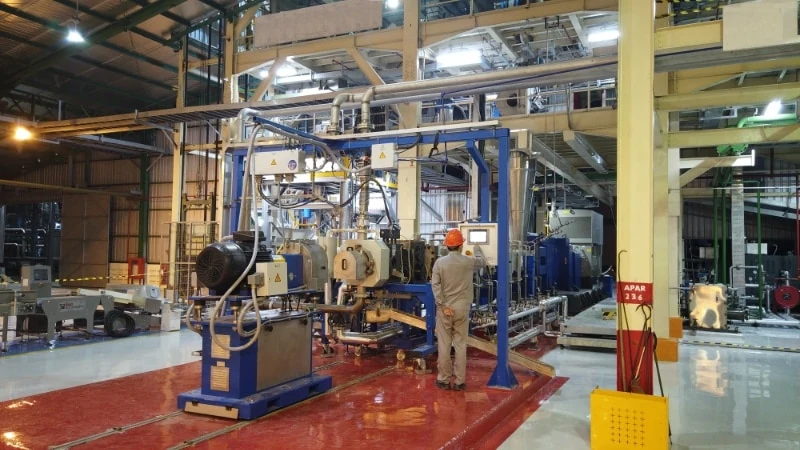
Six formulas we have run
Each one is a delivered direct extrusion line: the formula, the sheet it makes, and what the line had to solve.
More sheet and film lines delivered
The six formulas above each link to their project. Four more direct extrusion lines we have delivered.
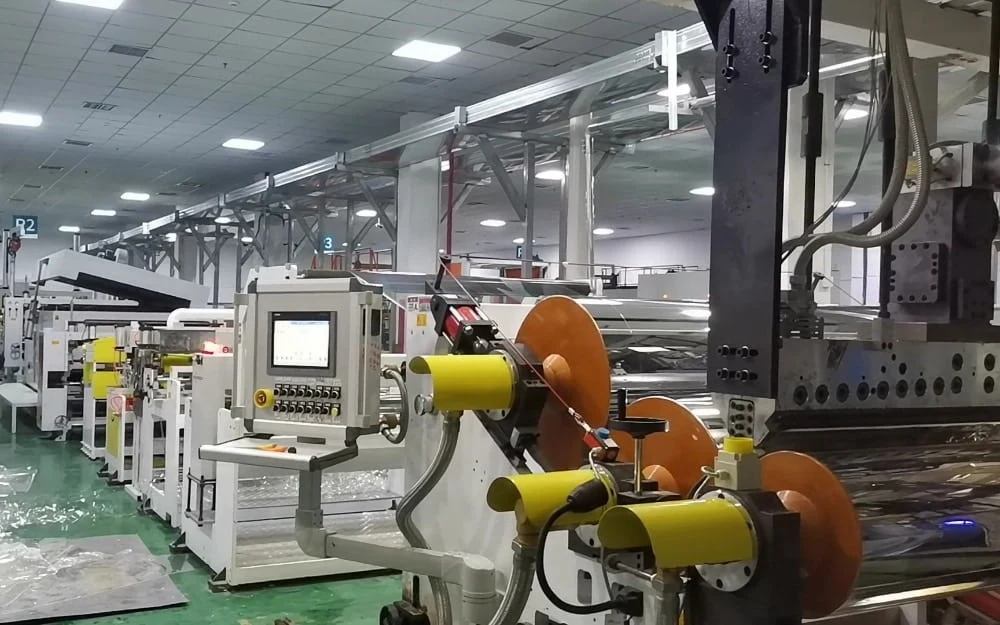 PET sheet · China
800-1200kg/h PET Sheet Production Line in Jiangsu
SAT95 + SAT65800–1,200 kg/h
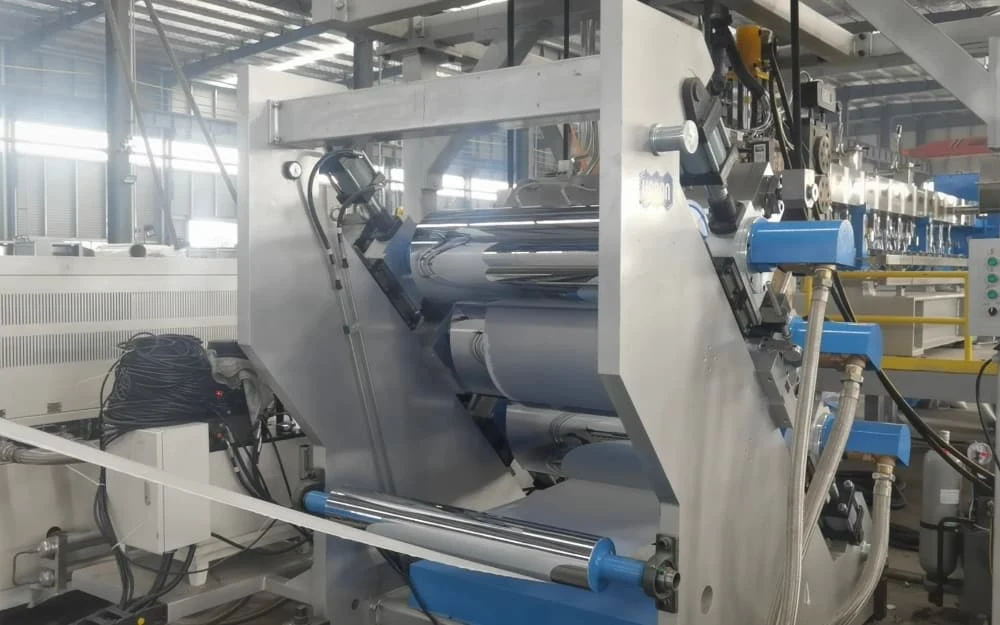 PP sheet · China
400–500 kg/h PP Sheet Direct Extrusion Line
SAT75 · PP + 40% CaCO₃400–500 kg/h
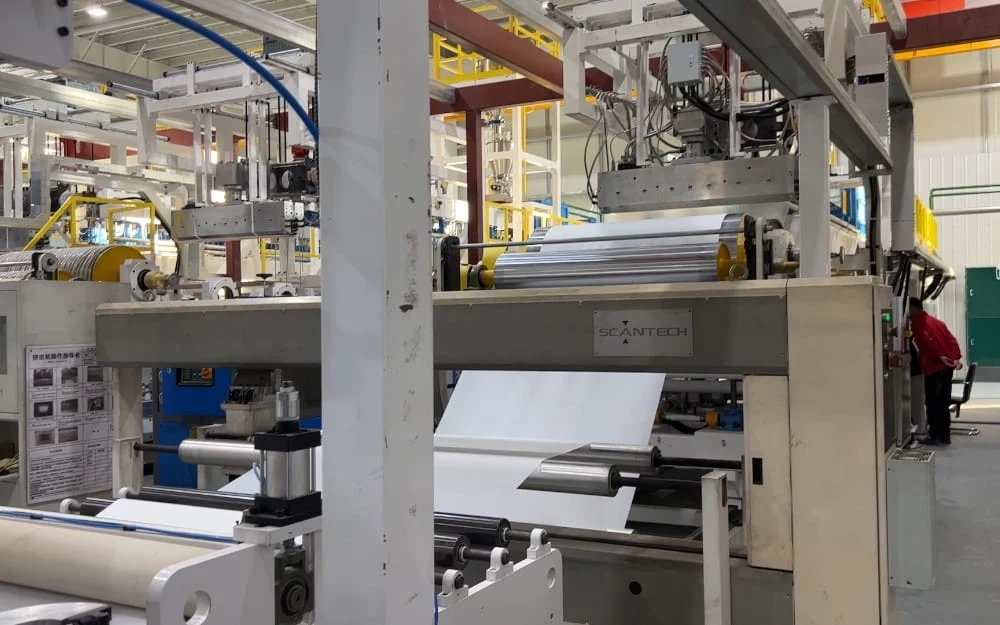 POE film · China
400kg/h POE Solar Panel Encapsulating Film Extrusion Line
Twin screw extruder400 kg/h
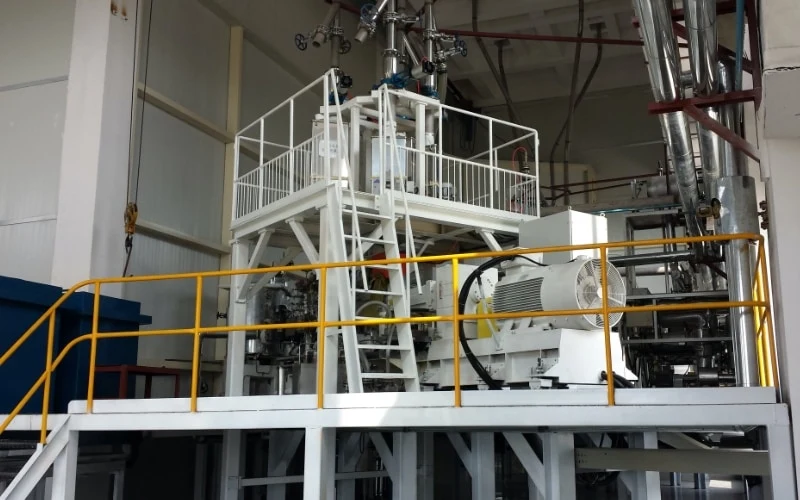 BOPET film
3000kg/h BOPET Film Extrusion Line
—3,000 kg/h
Get a quote
Tell us the sheet, board or film you sell and the formula behind it. We tell you whether it runs as direct extrusion, and quote the complete line.
- 01Polymer and formula: fillers, fibers or additives and their percentage
- 02Product: thickness, width, layer structure, output per hour
- 03Extruder type, line configuration and quotation

Souder Chen
Head of Compounding Division
With USEON since 2008. Twin screw compounding, devolatilization and recycling lines.